How to Choose the Right Wearable for Sleep Monitoring
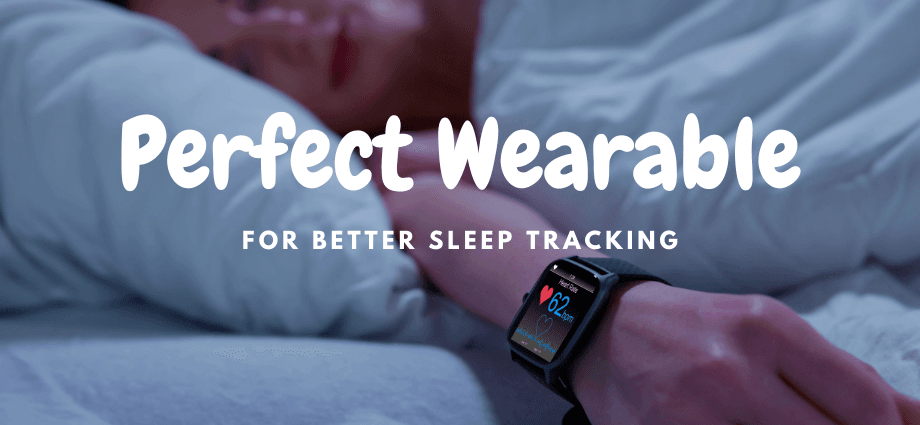
Getting a good night’s sleep is essential for overall health and productivity. Unfortunately, many people struggle to identify why their sleep isn’t restorative. Wearable devices designed for sleep monitoring provide insights into sleep quality and patterns, making it easier to make changes that improve rest. This guide will help you choose the right wearable for sleep monitoring, ensuring it meets your needs and lifestyle.
Key Features of a Sleep Monitoring Wearable
The features of a wearable determine how effectively it can track and improve your sleep. Understanding these key functionalities will help you make an informed choice.
Sleep Stage Tracking
Sleep stage tracking is one of the most important features of a sleep-monitoring wearable. It measures how much time you spend in light, deep, and REM sleep.
- Light sleep supports physical recovery and prepares the body for deep sleep.
- Deep sleep is essential for cell repair and immune system function.
- REM sleep helps with memory consolidation and emotional regulation.
Wearables like the Fitbit Sense or Oura Ring provide detailed breakdowns of these stages, offering insights into the quality of your sleep cycles. Devices with high accuracy in sleep tracking are better at identifying patterns and suggesting improvements.

Heart Rate and Oxygen Monitoring
Monitoring heart rate and oxygen levels during sleep adds another layer of insight. Devices equipped with heart rate variability (HRV) monitoring, such as the Garmin Vivosmart 5, can detect how your body is responding to rest. Oxygen saturation (SpO2) sensors, found in models like the Apple Watch Series 9, are helpful for detecting issues like sleep apnea or breathing irregularities.
These health metrics provide a fuller picture of your overall well-being, making them essential for anyone focused on improving their sleep health.
Comfort and Wearability
Comfort is a critical factor when choosing a sleep wearable, as you’ll be wearing it throughout the night. Look for lightweight and ergonomic designs that won’t interfere with your rest.
For example, the Xiaomi Mi Band 8 is designed with soft, adjustable straps that suit most users. Similarly, the Amazfit Band 7 uses skin-friendly materials, ensuring minimal irritation during prolonged wear. A wearable that is too bulky or tight can disturb your sleep, so prioritize designs made from breathable and hypoallergenic materials.
Compatibility and Ecosystem Integration
A wearable’s ability to integrate with your existing devices and apps significantly impacts its usability.
Smartphone Compatibility
Before making a purchase, check whether the wearable works with your smartphone. Most wearables are compatible with Android and iOS, but some, like the Apple Watch, perform best within their own ecosystem. This ensures seamless syncing and access to features like detailed sleep reports or health insights.
Wearables like the Fitbit Inspire 3 come with dedicated apps that work well across platforms, allowing users to easily track and review their sleep data.
Health and Fitness Ecosystem
Some wearables are designed to be part of a larger health ecosystem. For instance, the Garmin Vivosmart 5 integrates with Garmin’s health app, syncing sleep data with other metrics like activity and heart rate. Similarly, the Withings ScanWatch connects with smart scales and other health devices, creating a holistic view of your overall wellness.
Ecosystem integration allows users to see how sleep influences other aspects of their health, such as energy levels or weight management.
Popular Wearables for Sleep Monitoring
Here’s a closer look at popular wearables for sleep tracking, covering a range of budgets and features.
Xiaomi Mi Band 8
The Xiaomi Mi Band 8 is an excellent choice for those seeking a budget-friendly wearable. Priced at under $50, it offers basic sleep stage tracking, heart rate monitoring, and an impressive battery life of up to two weeks. While it lacks advanced features like SpO2 monitoring, it’s ideal for users looking to start tracking their sleep without investing too much.
Fitbit Sense
The Fitbit Sense balances affordability with advanced features. It includes detailed sleep stage analysis, HRV monitoring, and even stress management tools. Fitbit’s app provides a Sleep Score, which gives users a quick overview of their sleep quality. Its six-day battery life ensures you can monitor sleep continuously without frequent charging.
Oura Ring
The Oura Ring offers a premium experience for sleep tracking. Unlike wrist-based devices, the Oura Ring is worn on the finger, where it measures sleep stages, HRV, and SpO2 with exceptional accuracy. Its lightweight design ensures comfort, and the accompanying app provides in-depth reports on sleep trends and recovery.

Practical Considerations Before Buying
Before finalizing your choice, consider these factors to ensure the wearable aligns with your expectations.
Battery Life
Battery life is a key consideration for sleep monitoring. Devices with longer battery life, such as the Garmin Vivosmart 5 or Amazfit Band 7, allow you to monitor sleep uninterrupted for days without needing to recharge. On the other hand, high-end wearables like the Apple Watch may require daily charging, which can be inconvenient.
Durability and Build Quality
Choose a wearable made from high-quality materials to ensure longevity. Hypoallergenic and water-resistant designs are especially important, as they prevent skin irritation and protect the device from sweat or accidental splashes. The Withings ScanWatch, for example, combines durability with a sleek, professional design.
User Reviews and Ratings
Reading user reviews can provide valuable insights into how a device performs in real-world conditions. Look for feedback on factors like comfort, accuracy, and app usability. Avoid wearables with frequent complaints about inaccurate data or poor customer support.
Tips for Getting the Most Out of Your Wearable
Maximizing the benefits of your wearable involves using it consistently and analyzing its data effectively.
- Wear It Every Night: Consistent use provides accurate trends and helps identify patterns.
- Sync Regularly: Keep your device synced with its app to avoid losing data and ensure the app provides updated insights.
- Review Reports: Use weekly or monthly summaries to track improvements and identify areas that need attention.
- Set Goals: Many apps allow you to set sleep goals based on your data, helping you create habits for better rest.
Conclusion
Selecting the right wearable for sleep monitoring is a personal decision based on your budget, health goals, and comfort preferences. Devices like the Xiaomi Mi Band 8 are perfect for beginners, while advanced options like the Oura Ring offer deeper insights for those serious about improving their sleep. By focusing on features such as sleep stage tracking, heart rate monitoring, and ecosystem compatibility, you can find a wearable that fits seamlessly into your lifestyle. With consistent use, these devices can help you improve your sleep quality and overall well-being.
Share this content: