Cloud Hosting Demystified: How It Works and Why You Need It

Cloud hosting has become a game-changer in today’s digital world, transforming the way businesses and individuals manage their online presence. It offers flexibility, reliability, and scalability, making it a popular choice for websites, applications, and data storage.
With the rise of digital transformation and increasing demand for seamless online services, cloud hosting provides a dynamic and modern solution to hosting challenges. This article will demystify cloud hosting by explaining how it works and why it could be the right solution for your needs. Whether you’re a small business owner or a tech-savvy individual, understanding cloud hosting can help you make informed decisions about your online operations.
What Is Cloud Hosting?
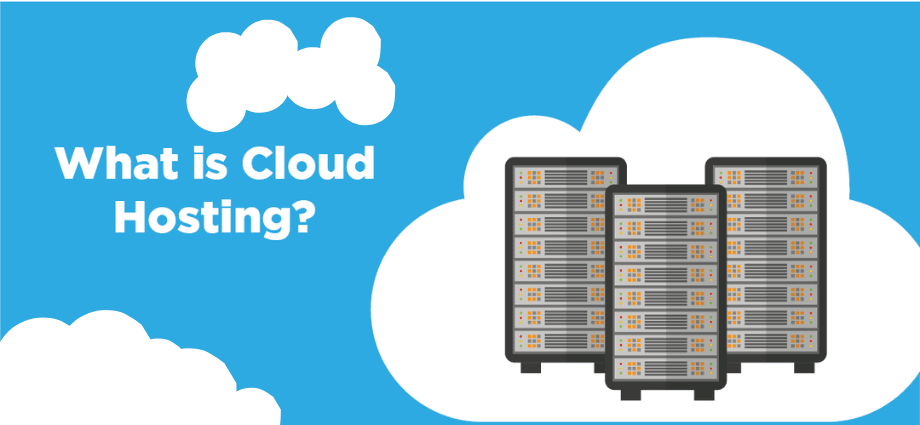
Cloud hosting is a modern approach to hosting websites or applications by utilizing multiple servers interconnected via the internet.
Defining Cloud Hosting
Cloud hosting distributes resources across a network of servers instead of relying on a single physical server. This ensures better performance, reliability, and scalability. Unlike traditional hosting, which operates on a fixed server, cloud hosting enables dynamic resource allocation.

For example, think of it like a multi-lane highway. Traditional hosting is like having a single lane: traffic slows down when it’s congested. Cloud hosting is like opening multiple lanes whenever there’s more traffic, ensuring smoother and faster movement.
Key Features of Cloud Hosting
Cloud hosting is known for several standout features:
- Scalability: Easily increase or decrease resources as needed.
- Cost Efficiency: Pay only for the resources you use.
- Flexibility: Access services from anywhere with an internet connection.
- Redundancy: Data is stored across multiple servers, reducing downtime risks.
These features make cloud hosting an attractive option for businesses of all sizes. For example, a business experiencing seasonal traffic spikes can scale up resources during peak periods and scale down during slower times.
Types of Cloud Hosting
There are three main types of cloud hosting to consider:
- Public Cloud: Resources are shared among multiple users, offering cost-effective solutions.
- Private Cloud: Dedicated servers provide enhanced security and customization.
- Hybrid Cloud: Combines public and private clouds for flexibility and control.
Each type has unique benefits, making it essential to match the type of cloud hosting with your business requirements. For instance, a private cloud might be best for handling sensitive customer data, while a public cloud could be ideal for non-sensitive workloads.
How Does Cloud Hosting Work?
Cloud hosting operates through a network of interconnected servers working together to deliver seamless services.
The Cloud Infrastructure
At its core, cloud hosting relies on virtual machines, data centers, and servers. These components work together to handle requests, manage data, and ensure uptime. The system dynamically allocates resources, so websites and applications can scale based on demand.
For example, if a website suddenly experiences a surge in visitors, the cloud infrastructure adjusts resources to handle the increased traffic without crashing.
Resource Management in the Cloud
Cloud hosting uses a process called virtualization to divide physical servers into virtual environments. These environments can be adjusted based on your needs. Imagine it as renting a flexible storage unit that expands or shrinks depending on how much you need to store.
- Virtualization ensures that resources are not wasted and are allocated efficiently.
- The system continually monitors performance to adapt to changes in demand.
Role of Service Providers
Major providers like Amazon Web Services (AWS), Google Cloud, and Microsoft Azure manage the technical aspects. They ensure security, uptime, and resource optimization while you focus on your core operations. These providers use multiple data centers worldwide to guarantee speed and availability for users anywhere in the world.
Benefits of Cloud Hosting
Cloud hosting offers numerous advantages that make it a superior choice for hosting solutions.
Cost-Efficiency
One of the most significant benefits is its affordability.
- Pay-as-you-go pricing eliminates upfront investments.
- Avoid costs for maintaining physical servers.
- Adjust resources to avoid paying for unused capacity.
This makes cloud hosting especially appealing to startups, small businesses, and organizations with fluctuating needs. Instead of overpaying for fixed resources, you only pay for what you use.
Scalability and Flexibility
Cloud hosting seamlessly adjusts to handle changes in traffic or demand. For example, an e-commerce website can handle high traffic during sales events without crashing.
- Quickly add resources during peak times.
- Reduce resources when demand decreases, saving costs.
The flexibility to adapt in real time ensures that businesses don’t lose customers due to slow website performance.
Improved Security and Reliability
Cloud hosting services include:
- Redundant backups: Ensures data safety even during server failures.
- Advanced security measures: Protects against cyber threats.
- Guaranteed uptime: Minimizes disruptions to your website or application.
These features provide peace of mind for businesses and individuals alike. You can focus on your business while the service provider takes care of security and reliability.
Common Concerns About Cloud Hosting
Despite its benefits, some concerns may arise about cloud hosting.
Data Privacy
Users often worry about data security in shared environments. However, most cloud providers offer encryption and strict access controls to protect data.
- Ensure that providers comply with data protection regulations.
- Choose a provider that offers transparent data management policies.
Potential Downtime
Cloud hosting relies on internet connectivity. While outages can occur, leading providers offer high uptime guarantees and multiple server redundancies to minimize disruptions.
Costs Over Time
Although cloud hosting is cost-efficient, long-term expenses can add up if resources are not managed well. Monitoring usage and setting limits can help avoid surprises in billing.
Is Cloud Hosting Right for You?
Cloud hosting isn’t a one-size-fits-all solution, but it suits many different users and businesses. The decision to adopt cloud hosting depends on your specific goals, budget, and technical requirements.
Who Benefits Most from Cloud Hosting?

Cloud hosting is particularly beneficial for:
- E-commerce Websites: Handle high traffic during peak times without compromising performance or customer experience.
- Startups: Scale resources quickly as the business grows, ensuring cost-effectiveness in early stages.
- Content Creators: Benefit from reliable and fast performance for websites or apps with heavy multimedia content.
Cloud hosting also supports industries with fluctuating needs, such as event management platforms or seasonal businesses, where resource demands vary throughout the year.
Factors to Consider
Before switching to cloud hosting, ask yourself these key questions:
- Budget: Does the pay-as-you-go model suit your finances? Will you save costs compared to traditional hosting?
- Technical Expertise: Do you or your team have the skills to manage cloud resources? If not, does the provider offer managed hosting solutions?
- Business Needs: Is scalability and high availability crucial to your operations? Are security features like encryption or regulatory compliance necessary for your industry?
Answering these questions will help clarify whether cloud hosting aligns with your operational needs and long-term goals.
Conclusion
Cloud hosting has revolutionized how businesses and individuals manage their online presence. By distributing resources across a network of servers, it offers unmatched scalability, cost efficiency, and reliability. Whether you’re a growing business or a personal website owner, cloud hosting provides a flexible and powerful solution to meet your hosting needs. Take the time to evaluate your goals and requirements to determine if cloud hosting is the right fit for you.
Share this content: