How to Set Up a Smart Home on a Budget
Smart homes are becoming more popular due to their convenience, security, and energy efficiency. They allow homeowners to control lighting, appliances, and security systems remotely, offering greater flexibility and peace of mind. Many people assume that building a smart home is expensive, but with careful planning and affordable options, you can create a personalized smart home without overspending.
With advancements in technology and a wide range of budget-friendly devices now available, setting up a functional smart home has become more accessible than ever. Whether you’re looking to enhance home security, improve energy efficiency, or add convenience to your daily routines, this guide will walk you through the steps to create a smart home on a budget.
Start with a Plan
Before you start buying gadgets, it’s important to plan your smart home setup. This ensures you’re spending wisely and focusing on the features that matter most to you.
Define Your Priorities
The first step is identifying what you want your smart home to achieve. Ask yourself:
- Do you want to enhance home security?
- Are you looking for energy savings?
- Do you want more convenience in controlling lights and devices?
Once you know your priorities, you can focus on areas that provide the most value.
Set a Budget
Establish a budget for your smart home setup. Consider starting with a small amount and expanding over time. A gradual approach lets you spread the cost and avoid unnecessary purchases.
Research Affordable Products
Look for devices that are both budget-friendly and highly rated. Popular affordable brands include Wyze, TP-Link, and Kasa. Be sure to compare prices online and read customer reviews to ensure you’re getting quality products.
Affordable Smart Home Essentials

To build your smart home, start with essential devices that offer the most benefits for a small investment. Below are some must-have gadgets.
Smart Speakers and Hubs
Smart speakers like the Amazon Echo Dot and Google Nest Mini are affordable and serve as control hubs for other smart devices. They allow you to:
- Control devices with voice commands.
- Set reminders, play music, and answer questions.
- Connect to a wide range of compatible devices.
These devices are often available on sale, making them an easy entry point for your smart home setup.
Smart Lighting
Smart bulbs are an excellent way to upgrade your lighting without rewiring your home. Brands like Philips Wiz and Wyze offer affordable options that are compatible with Alexa or Google Assistant.
Benefits of smart lighting include:
- Adjusting brightness and color through an app or voice commands.
- Scheduling lights to turn on or off automatically.
- Saving energy by using only the light you need.
Smart Plugs
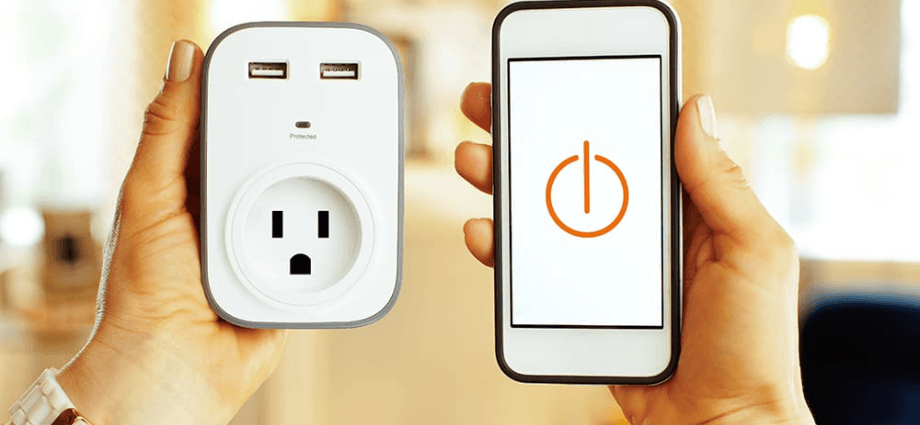
Smart plugs are versatile devices that let you control regular appliances remotely. Some affordable options include the Kasa Smart Plug and Wyze Plug. With these, you can:
- Turn devices on or off from your phone.
- Schedule appliances like coffee makers or lamps to operate automatically.
- Monitor energy usage.
Affordable Security Cameras
For home security, budget-friendly cameras like those from Wyze or Blink provide features like motion detection and night vision. These cameras are easy to install and offer peace of mind by allowing you to monitor your home from anywhere.
Smart Thermostats
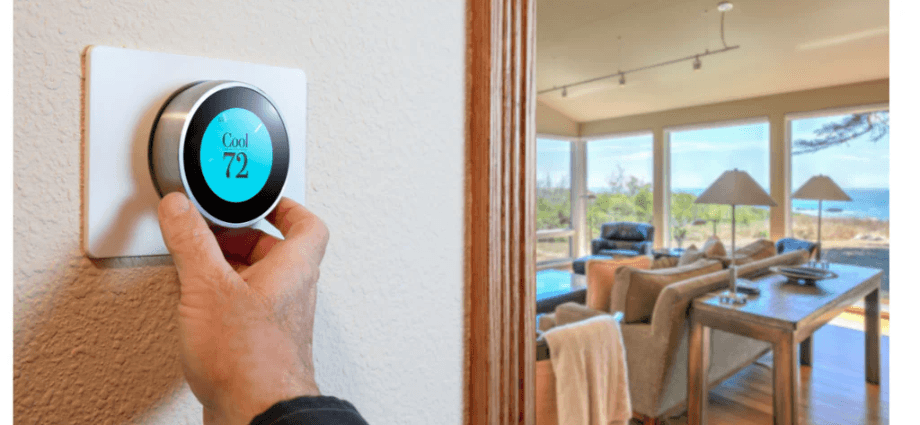
Although a bit pricier than other items, smart thermostats like the Google Nest Thermostat (non-learning version) can help you save on energy costs. They enable you to:
- Control your home’s temperature remotely.
- Set schedules to heat or cool your home efficiently.
- Monitor energy usage to reduce bills.
DIY Installation Tips
Installing your smart home devices yourself can save a lot of money. Most devices are designed for simple setup, making professional installation unnecessary.
Follow Manufacturer Instructions
Always read the setup guide that comes with your devices. Many brands provide step-by-step instructions and online tutorials to make the process easier.
Avoid Professional Installation
Professional installation can significantly increase costs. Fortunately, most budget-friendly devices are plug-and-play, requiring minimal effort to set up.
Test After Installation
After setting up your devices, test them to ensure they’re working properly. If you encounter issues, check online forums or the manufacturer’s support page for troubleshooting tips.
Expand Over Time
Building a smart home on a budget doesn’t mean you need to buy everything at once. Gradually expanding your setup allows you to manage costs while achieving your goals.
Upgrade Gradually
Start with essential devices and add more features as your budget allows. For example:
- Begin with smart lighting and plugs.
- Add security cameras when needed.
- Upgrade to a smart thermostat later for energy efficiency.
Take Advantage of Sales
Look for discounts during major sales events like Black Friday, Prime Day, or holiday promotions. Signing up for email newsletters from retailers can also alert you to special deals.
Focus on Interoperability
Choose devices that work seamlessly together. For example, ensure all your devices are compatible with your chosen ecosystem, such as Alexa, Google Assistant, or Apple HomeKit.
Common Mistakes to Avoid
Avoid these pitfalls to make the most of your smart home setup.
Overspending
It’s easy to get carried away and buy more devices than you need. Stick to your budget and focus on your priorities to avoid unnecessary expenses.
Ignoring Compatibility
Not all smart devices work together. Before buying, ensure that the new gadget is compatible with your existing devices or your preferred ecosystem.
Neglecting Security
Smart devices can be vulnerable to hacking if not secured properly. Protect your devices by:
- Using strong, unique passwords.
- Enabling two-factor authentication.
- Keeping your device firmware updated.
Conclusion
Creating a smart home on a budget is entirely possible with the right approach. By starting small, focusing on affordable essentials, and gradually expanding, you can enjoy the benefits of a smart home without overspending. Smart home technology not only offers convenience but can also help you save on energy costs and improve your home’s security.
With so many affordable options available, building a connected home that suits your lifestyle and budget is easier than ever. By setting realistic goals, researching products carefully, and taking advantage of discounts, you can create a smart home that adds value to your daily life without causing financial strain.
Share this content: