Maintaining Your Weber Gas Grill: A Step-by-Step Guide
Maintaining your Weber gas grill is essential for ensuring that it performs efficiently and lasts for years. Proper care allows you to enjoy delicious grilled meals every time while keeping your grill safe to use. With just a few simple steps, you can extend the life of your Weber grill and improve its performance. This guide will walk you through everything you need to do to keep your grill in top condition.
Regular Cleaning: The Foundation of Grill Care
Regular cleaning is the most important aspect of grill maintenance. When food residue and grease build up, they can affect your grill’s performance and even create safety hazards. Proper cleaning not only ensures your grill operates at its best but also makes it easier to maintain in the long run.
Cleaning the Grill Grates
Grill grates tend to collect grease and food particles during cooking, making them a crucial area to clean regularly. After each use, it’s important to clean the grates to prevent buildup. Use a wire brush while the grates are still warm to scrub away any debris. For a deeper clean, you can soak the grates in warm, soapy water for 20-30 minutes and scrub them thoroughly.
Cleaning the grill grates regularly keeps the grill free from food remnants and helps prevent rusting.
Cleaning the Burner Tubes
Burner tubes are essential for heat distribution. Over time, they can accumulate grease and food particles that obstruct gas flow, leading to uneven heating. To clean the burner tubes:
- Turn off the gas and disconnect the tank before starting any maintenance.
- Use a wire brush to gently scrub the burner tubes.
- Clear any blockages in the holes of the burners with a soft brush or compressed air.
Keeping the burner tubes clean ensures that your grill heats evenly and performs safely.
Cleaning the Drip Tray
The drip tray catches grease and liquids that fall from the grill, and if it becomes too full, it can cause flare-ups and uneven cooking. To clean it:
- Empty the tray after each use, scraping away any stuck residue.
- Wash it with warm, soapy water and let it dry completely before reinserting it.
A clean drip tray prevents grease buildup and ensures safe grilling.
Inspecting and Maintaining Key Grill Components
Regularly inspecting and maintaining your grill’s essential components can prevent costly repairs and improve your grilling experience. These simple checks are important for ensuring safe and effective grilling.
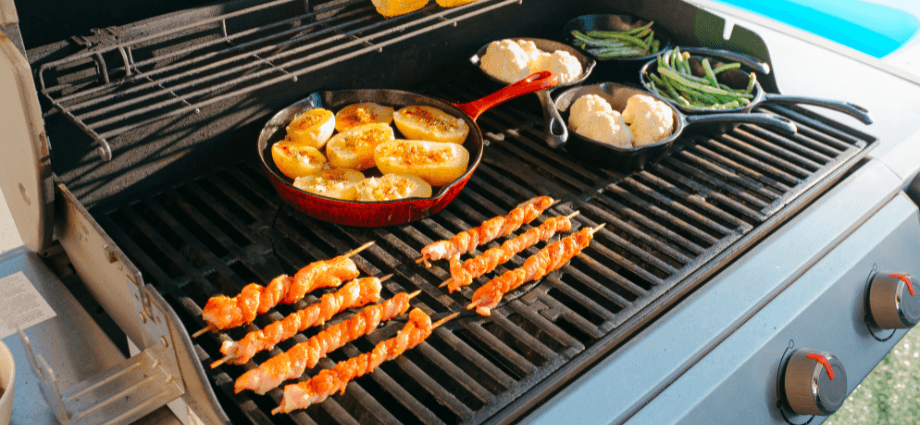
Checking the Gas Line and Connections
The gas line is one of the most critical parts of your Weber gas grill. A leak or a faulty connection could be dangerous. To check the gas line:
- Inspect the gas hose for cracks, holes, or signs of wear.
- Ensure all connections are secure, including the hose and regulator.
- Test for leaks by applying soapy water to the connections and looking for bubbles.
Checking the gas line is important for safety and to prevent gas leaks.
Inspecting the Burners
The burners need to be free of rust, holes, and debris to ensure that heat is distributed evenly. Remove the burners and inspect them for any signs of damage. Clean the burner holes with a brush or compressed air to remove any buildup that may obstruct gas flow.
Regularly checking the burners ensures your grill heats evenly and prevents potential issues that could arise during grilling.
Maintaining the Control Knobs
Over time, the control knobs can become stiff or difficult to turn. Keeping them in good working order is important for smooth operation. Clean the knobs with a mild soap solution and a soft cloth. Apply lubricant to keep the knobs turning easily and check for any cracks or damage that may require replacement.
Properly maintained control knobs make it easier to adjust the grill temperature during cooking.
Seasonal Maintenance: Preparing for the Off-Season
Grills are often stored for the off-season or during colder months. Properly storing your grill during this time will keep it in great condition when you’re ready to use it again.
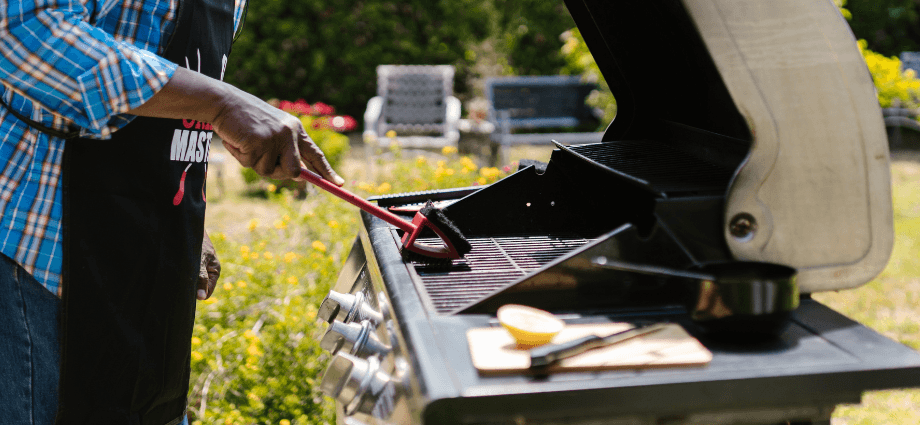
Cleaning and Storing the Grill
When preparing for long-term storage, follow these steps to clean and store your grill properly:
- Clean the interior, including the grates and burners.
- Remove any grease or food residue from the grill’s surface and interior.
- Cover your grill to protect it from dust, debris, and moisture.
Taking these steps ensures that your grill will be ready for use next season without any unpleasant surprises.
Covering Your Grill
If your grill will be stored outside, it’s important to use a weatherproof cover to protect it from rain, snow, and debris. A high-quality cover will shield your grill from the elements while allowing some airflow to prevent moisture buildup, which can lead to rust.
Using a cover extends the life of your grill by protecting it from harsh weather conditions.
Troubleshooting Common Grill Issues
Even with proper care, you might encounter some common Weber gas grill issues. Here are a few troubleshooting tips for some of the most frequent problems.
Grill Won’t Heat Up
If your Weber grill isn’t heating properly, it could be due to several reasons. First, check the gas tank to ensure it has enough fuel. Then, inspect the burners for any blockages or damage. Finally, check the regulator to ensure it’s functioning correctly. If all else fails, you may need to replace the faulty parts.
Addressing heating issues promptly ensures that your grill operates at its optimal temperature for even cooking.
Uneven Heating
Uneven heating is a common issue that can affect grilling performance. Here’s how to fix it:
- Clean the burner tubes to remove any food particles or grease buildup.
- Check the burner settings to ensure they are properly adjusted.
- Make sure the grates are aligned correctly.
Fixing uneven heating ensures that your food cooks more evenly and efficiently.
Gas Leaks or Odors
If you smell gas near your grill, it’s important to turn off the gas supply immediately. Check all connections, including the gas line and regulator, for leaks. You can do this by applying soapy water to the connections and looking for bubbles. If you find a leak, replace the damaged part before using the grill again.
Promptly addressing gas leaks is crucial for your safety and the proper operation of your grill.
Conclusion
By following these simple maintenance tips, you can ensure that your Weber gas grill operates smoothly and lasts for many years. Regular cleaning, proper inspections, and seasonal care will help you maintain your grill’s performance, making every grilling session more enjoyable and safe. Taking the time to care for your grill today means that you’ll be able to cook delicious meals tomorrow!
Share this content: