Advances in Health Tech: Gadgets Monitoring Wellness
Health technology has drastically changed the way we monitor and manage our well-being. With the rapid advancement of wearable gadgets and smart devices, individuals can now track their health in real-time, gain valuable insights, and make informed decisions to improve their quality of life. In this article, we’ll explore the evolution of health tech, key gadgets that monitor wellness, and how they contribute to better personal health management.

The Evolution of Health Tech
Health technology has advanced from simple tools to sophisticated gadgets that now play a crucial role in personal wellness. From early health monitoring devices to today’s cutting-edge wearables, health tech has transformed how we track our well-being.
Early Health Monitoring Devices
The early days of health tech involved simple devices like pedometers, blood pressure cuffs, and thermometers, which were useful for basic health monitoring.
- Pedometers: Helped users track steps to encourage physical activity.
- Blood pressure cuffs: Enabled people to track hypertension at home.
- Thermometers: Basic devices to check body temperature.
These early tools laid the foundation for the more advanced gadgets that followed.
The Rise of Wearables
Wearable tech, like fitness trackers and smartwatches, marked a significant leap forward. These devices go beyond tracking steps, measuring vital metrics such as heart rate, sleep patterns, and even blood oxygen levels.
- Fitness trackers: Devices like Fitbit and Garmin made activity tracking more accessible.
- Smartwatches: Smartwatches like the Apple Watch and Samsung Galaxy Watch integrated health features with advanced connectivity.
- Continuous heart rate monitoring: Wearables now track heart rate in real-time, providing continuous health feedback.
The Role of AI and Big Data
AI and big data have become integral in health tech, offering personalized health insights and predictions. These technologies help in the early detection of potential issues and enable tailored wellness plans.
- AI-powered analysis: AI algorithms predict potential health risks by analyzing data.
- Big data in health trends: By tracking large data sets, technology provides insights into personal wellness and chronic disease management.
Key Health Tech Gadgets Transforming Wellness
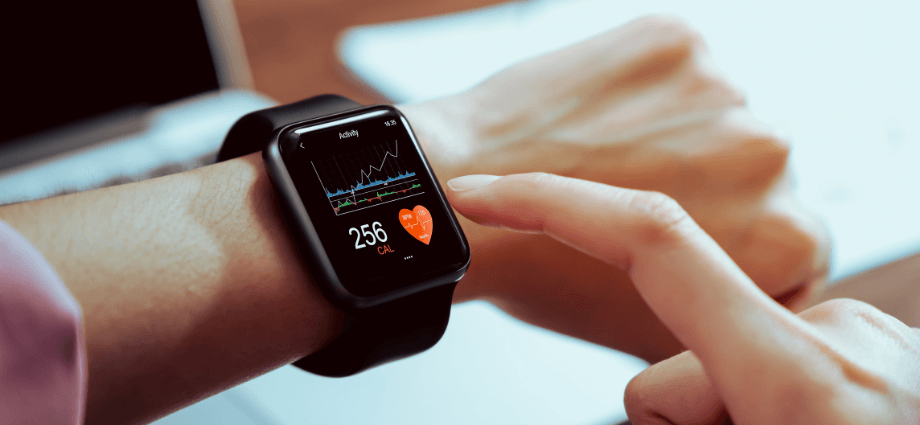
Today, several gadgets are at the forefront of wellness monitoring, helping users stay on top of their health metrics more easily.
Smartwatches and Fitness Trackers
Smartwatches and fitness trackers are some of the most popular and versatile gadgets in the health tech space. Devices like the Apple Watch, Fitbit, and Garmin track everything from physical activity to heart rate, sleep, and more.
- Heart rate monitoring: These devices track your heart rate throughout the day, alerting you to any irregularities.
- Activity tracking: Step counting and calories burned provide insights into daily physical activity.
- Sleep tracking: Many wearables also monitor sleep quality, identifying patterns that could affect overall health.
Smart Scales
Smart scales are revolutionizing weight management by providing data beyond just your weight. These scales track body fat percentage, BMI, and even muscle mass.
- Body fat measurement: Provides a more comprehensive understanding of body composition.
- Syncing with health apps: Data syncs with platforms like Apple Health and Google Fit, allowing for easy tracking of progress.
- User-friendly: Display trends and insights, making it easier to manage weight loss or fitness goals.
Continuous Glucose Monitors (CGM)
For those with diabetes, continuous glucose monitors (CGM) have become invaluable. These devices provide real-time monitoring of blood sugar levels throughout the day.
- Real-time glucose tracking: CGMs offer immediate data, helping users avoid spikes or drops in blood sugar.
- Improved diabetes management: Provides a more accurate picture of glucose levels, leading to better control over diabetes.
- Integration with other devices: Data from CGMs can be shared with fitness trackers and smartwatches for a comprehensive health overview.

Sleep Trackers
Getting quality sleep is essential to overall wellness, and sleep trackers are helping people understand and improve their sleep patterns.
- Sleep cycle tracking: Devices track deep, light, and REM sleep, offering insights into sleep quality.
- Sleep score: Many devices provide a score that summarizes your overall sleep health.
- Recommendations for improvement: Based on your sleep data, trackers often suggest adjustments to your sleep routine or environment.
The Role of Health Tech in Preventative Care
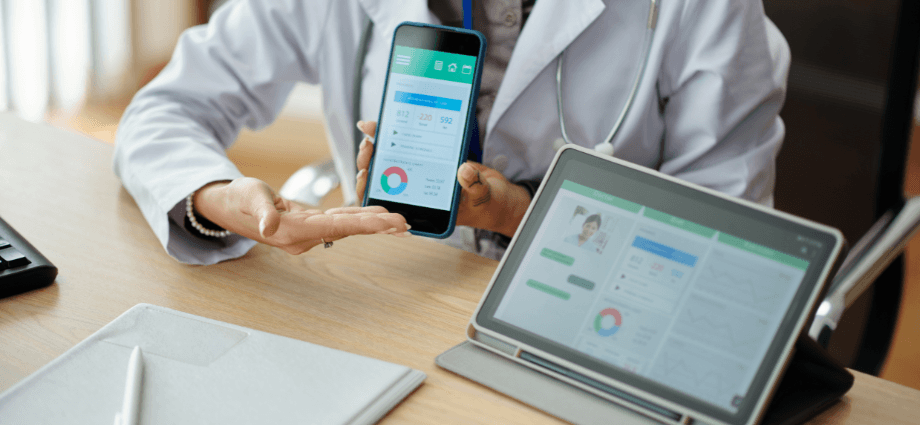
Health tech gadgets have become essential tools for preventative care, allowing users to monitor their health continuously and identify potential risks before they become serious problems.
Early Detection of Health Issues
With the ability to continuously monitor metrics such as heart rate and sleep patterns, health gadgets can detect early signs of issues like arrhythmias, sleep apnea, and hypertension.
- Heart irregularities: Wearables can detect abnormal heart rhythms, providing early warnings.
- Blood pressure monitoring: Ongoing blood pressure monitoring can help detect hypertension early, preventing heart disease.
- Sleep apnea detection: Devices track irregular breathing patterns, which could indicate sleep apnea.
Personalized Wellness Plans
Data collected by health gadgets can be used to create personalized wellness plans tailored to an individual’s unique needs. Whether it’s exercise routines, diet, or sleep improvement, health gadgets allow for more customized care.
- Exercise recommendations: Wearables can recommend workout routines based on heart rate and fitness level.
- Diet adjustments: Data on activity and body composition can be used to suggest dietary changes for improved health.
- Sleep improvement: Sleep trackers can help users adjust their routines and environment for better rest.
Remote Health Monitoring
Many gadgets now allow remote health monitoring, particularly for those with chronic conditions. This capability helps reduce the need for frequent in-person visits and allows healthcare providers to track patient data from afar.
- Chronic disease management: Devices like CGMs and blood pressure monitors provide real-time data to healthcare providers.
- Elderly care: Wearables can help caregivers monitor elderly individuals, alerting them to any signs of distress, such as falls or irregular heart rates.
The Future of Health Tech Gadgets
The future of health tech is exciting, with continuous advancements making gadgets even more powerful in tracking and improving wellness.
Biometric Monitoring
The next wave of health gadgets will focus on monitoring biometrics in real-time, from blood oxygen levels to stress and hydration.
- Real-time monitoring: Future wearables will continuously track more health metrics, such as blood oxygen and stress levels.
- Holistic health management: Combining multiple health factors, gadgets will provide a complete picture of a person’s wellness.
Integration with Smart Homes
Health tech is increasingly becoming a part of the broader smart home ecosystem. Devices will integrate with smart homes to create a more health-conscious environment.
- Smart lighting: Adjust lighting based on circadian rhythms to improve sleep quality.
- Smart appliances: Fridges and other devices may suggest meals based on dietary preferences and health goals.
Enhancements in Wearable Tech
Wearable technology will continue to evolve, incorporating new sensors and longer battery life for more accurate and comprehensive health tracking.
- Advanced sensors: Wearables will track additional metrics such as hydration, mental health, and stress.
- Improved battery life: Next-generation wearables will offer extended battery life for continuous monitoring.
Conclusion
Health tech gadgets are transforming the way we approach wellness, offering real-time insights into our physical activity, sleep, heart rate, and more. These devices empower users to take control of their health, detect potential issues early, and make data-driven decisions for better well-being. As technology continues to evolve, we can expect even more advanced gadgets that will help prevent health problems and improve our overall quality of life.
Share this content: