Comparing Fitness Trackers: Fitbit vs. Garmin
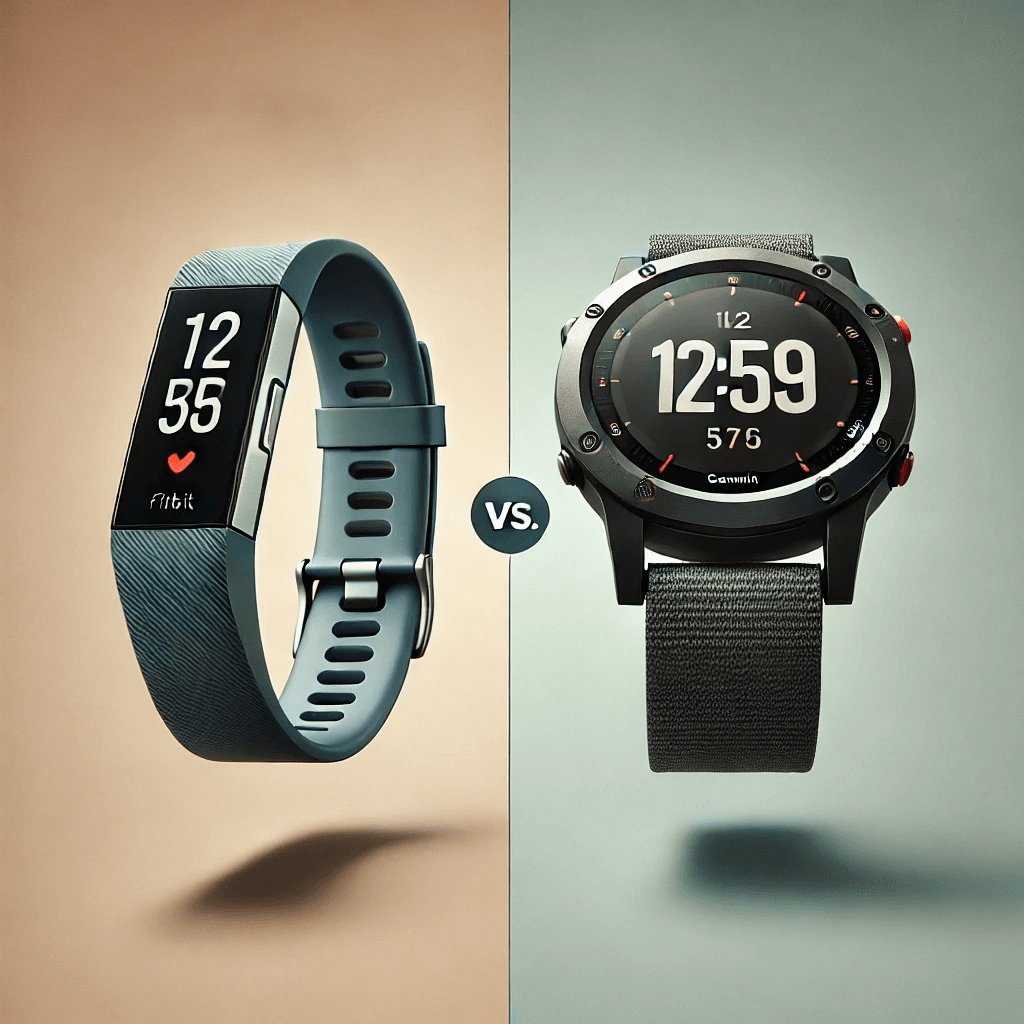
Fitness trackers have become a staple for anyone looking to monitor their health, whether it’s tracking steps, heart rate, sleep, or workouts. Two of the most well-known brands in the fitness tracker market are Fitbit and Garmin, each offering a wide range of devices designed to cater to different fitness needs. While Fitbit is known for its simplicity and affordability, Garmin has earned a reputation for its advanced features and rugged designs, especially for athletes and outdoor enthusiasts. But with so many models to choose from, how do you decide which one is right for you?
In this comprehensive review, we’ll compare the key features of Fitbit and Garmin fitness trackers, weighing their pros and cons to help you make an informed decision about which tracker suits your lifestyle.
Key Features to Consider in Fitness Trackers
When choosing a fitness tracker, there are several important factors to keep in mind. Here’s what you should consider before making a purchase.
Fitness Tracking and Health Features
Accurate fitness tracking is the primary purpose of any fitness tracker. Different models offer varying features depending on your fitness goals.
- Basic Features: Both Fitbit and Garmin offer step tracking, heart rate monitoring, calorie counting, and sleep tracking.
- Advanced Features: Some Garmin models provide VO2 max, stress tracking, and ECG (electrocardiogram) readings, which are helpful for more serious athletes. Fitbit also offers advanced health tracking like SpO2 monitoring for blood oxygen levels.
Having a comprehensive range of features ensures that the tracker is able to meet your fitness needs, whether you’re a beginner or a seasoned athlete.
Battery Life
Battery life is one of the most important aspects of a fitness tracker, especially if you’re planning to use it for long periods without charging.
- Fitbit Battery Life: Fitbit devices typically last 1-7 days depending on the model and features used. For example, the Fitbit Charge 5 can last up to 7 days, but if you use GPS or other power-hungry features, the battery drains faster.
- Garmin Battery Life: Garmin fitness trackers are known for their long battery life. Some models can last anywhere from 7 days to 14 days, with certain GPS models going as high as 2 weeks.
If you’re someone who doesn’t want to charge your tracker every day, Garmin’s models are likely more appealing.
Design and Comfort
The design of a fitness tracker is important because it needs to be comfortable enough to wear all day and night. Both Fitbit and Garmin offer sleek, lightweight designs but differ slightly in style.
- Fitbit Design: Fitbit offers slim, comfortable devices that are easy to wear all day, with adjustable bands and small, lightweight screens.
- Garmin Design: Garmin offers larger devices with more rugged designs, particularly in their Fenix and Forerunner series, making them ideal for outdoor use.
If you prefer a minimalist design that blends in with daily wear, Fitbit is a great choice. However, if you want a more durable, sports-oriented look, Garmin excels in this area.
App and Software
The mobile app and software experience is crucial for syncing your data, viewing insights, and tracking progress.
- Fitbit App: Fitbit’s app is easy to use and provides insights into steps, heart rate, sleep, and overall fitness. It also allows you to set personal goals and track achievements.
- Garmin Connect App: Garmin Connect offers deeper analytics, such as detailed activity tracking, sleep patterns, and advanced metrics like VO2 max. Garmin Connect also provides features like workout plans, recovery advice, and community challenges.
Both apps are well-designed, but Garmin’s app offers more detailed and advanced features for serious fitness enthusiasts.
Fitbit vs. Garmin: Comparing the Features

1. Fitbit
Overview: Fitbit is widely known for its user-friendly design and affordable pricing. With a focus on ease of use, Fitbit offers a variety of fitness trackers that suit casual users looking for basic fitness monitoring and well-being features.
- Pros and Cons:
- Pros:
- Simple interface: Easy to use for beginners or anyone new to fitness tracking.
- Affordable pricing: Fitbit offers a wide range of products to fit different budgets.
- Health-focused features: Includes sleep tracking, heart rate monitoring, and SpO2 sensors in higher-end models like the Fitbit Charge 5.
- Cons:
- Basic GPS tracking: Most Fitbit trackers rely on connected GPS (using your phone’s GPS), which can be less reliable than built-in GPS on some Garmin models.
- Limited advanced tracking: While Fitbit offers great basic tracking, it lacks some of the more advanced metrics that Garmin provides.
- Best For: Casual fitness enthusiasts looking for an affordable, easy-to-use fitness tracker for daily activity monitoring.
- Pros:
Fitbit excels in providing simple, straightforward trackers that deliver solid performance without overwhelming users with advanced features.
2. Garmin
Overview: Garmin is known for its advanced fitness trackers designed for athletes and outdoor adventurers. Garmin offers high-end features like GPS, heart rate variability, and advanced sleep tracking, making it a top choice for fitness enthusiasts.
- Pros and Cons:
- Pros:
- Advanced features: Garmin’s trackers, like the Garmin Forerunner and Fenix series, offer features like built-in GPS, heart rate monitoring, and VO2 max measurement.
- Long battery life: Garmin’s models offer extended battery life, often lasting over a week even with GPS enabled.
- Durable and rugged: Built to withstand outdoor activities, with many models being water-resistant or fully waterproof.
- Cons:
- Price: Garmin devices tend to be more expensive than Fitbit, especially for advanced models.
- Complexity: Garmin trackers are packed with advanced features, which may be overwhelming for beginners.
- Best For: Serious athletes, runners, and outdoor enthusiasts who need accurate tracking and durable designs.
- Pros:
Garmin provides excellent performance and advanced metrics, making it ideal for users who need precise data for training or outdoor activities.
3. Design and Display Comparison
Overview: Both Fitbit and Garmin offer stylish, comfortable designs, but each brand targets different types of users.
- Fitbit’s Design Features:
- Slim and lightweight, designed for all-day wear.
- Display features are generally basic but clear, with color touchscreens available on many models.
- Garmin’s Design Features:
- More rugged designs, particularly for outdoor use, like the Fenix series.
- Offers more durable materials, such as stainless steel and scratch-resistant screens.
If you want a fitness tracker that blends seamlessly into daily life, Fitbit is the better choice. However, if you’re looking for something more rugged for outdoor activities, Garmin offers models that fit those needs.
4. Battery Life Comparison
Overview: One of the key selling points for any fitness tracker is how long it lasts on a single charge.
- Fitbit’s Battery Life:
- Fitbit’s devices generally last from 1 to 7 days, depending on usage. For example, the Fitbit Charge 5 can last up to 7 days, while the Fitbit Sense may last closer to 6 days.
- Garmin’s Battery Life:
- Garmin’s fitness trackers typically last between 7 to 14 days. Some models, like the Garmin Fenix 6, can last up to 2 weeks in smartwatch mode.
For long-term tracking without the need to recharge often, Garmin is the better option.
How to Choose the Right Fitness Tracker for You
Choosing the right fitness tracker ultimately comes down to your needs and budget. Here’s a quick guide:
For Casual Fitness Enthusiasts
- If you’re looking for an easy-to-use, affordable option for daily fitness tracking, Fitbit is perfect. It offers great features at a lower price point and is ideal for casual users.
For Athletes or Outdoor Enthusiasts
- If you need more advanced features like built-in GPS, VO2 max, and rugged design, Garmin is the better choice. It offers the performance required by athletes and outdoor adventurers.
For Budget-Conscious Buyers
- If you’re on a budget, Fitbit offers great value for money with models that track the basics effectively, without the higher cost associated with Garmin’s advanced features.
Conclusion
Both Fitbit and Garmin offer excellent fitness trackers, but they cater to different types of users. Fitbit is a great choice for beginners or casual users looking for an affordable, simple solution. Garmin, on the other hand, is perfect for athletes or anyone who needs advanced tracking features and durable designs. Your choice will depend on your fitness goals, the level of data you need, and your budget.
Share this content: