Breakthroughs in Battery Technology: What to Expect
Battery technology has come a long way, but the demand for better, more sustainable solutions is growing. With advancements in science and engineering, batteries are becoming more efficient, safer, and environmentally friendly. Let’s explore the latest breakthroughs, emerging trends, and their impact on everyday life.
The Current State of Battery Technology
Batteries are essential for powering modern devices and technologies. From smartphones to electric vehicles, they are the backbone of portable energy. However, current battery technology faces significant challenges.
What Are Batteries Used For Today?
Batteries power devices, vehicles, and even renewable energy systems. They are crucial for ensuring consistent energy supply across various applications. Without batteries, many modern conveniences would not exist. Today, they are relied upon for portable electronics, clean energy systems, and transportation needs. Beyond these applications, batteries are also pivotal in medical devices and backup systems, highlighting their extensive role in daily life.
Why Innovation in Batteries Is Needed
Current lithium-ion batteries have several limitations. They can be expensive, have limited energy density, and pose environmental risks. As the demand for energy storage grows, new solutions are essential. For instance, lithium-ion batteries rely heavily on rare materials like cobalt, which is both costly and challenging to source sustainably. Moreover, their limited capacity often requires frequent recharging, which is inconvenient for users. Environmental concerns related to mining and disposal also highlight the need for better, more sustainable technologies.
Recent Breakthroughs in Battery Research
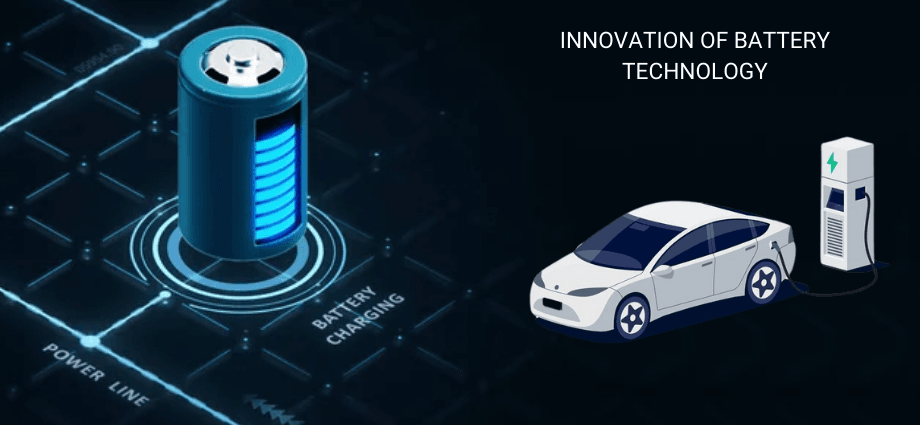
Innovative battery designs are emerging to address current challenges. These breakthroughs aim to improve performance, lower costs, and reduce environmental impact.
Solid-State Batteries
Solid-state batteries use solid electrolytes instead of liquid ones, offering multiple advantages. They are safer, have higher energy density, and enable faster charging. These features make them a top choice for the next generation of electric vehicles. For example, their solid structure significantly reduces the risk of overheating, a common issue with traditional batteries. Additionally, these batteries can store more energy, allowing devices and vehicles to last longer on a single charge. Despite their promise, however, challenges remain in scaling production and reducing costs.
Silicon Anode Batteries
Silicon anodes can store much more energy than traditional graphite anodes. This advancement could significantly extend battery life and efficiency, especially for consumer electronics. Silicon’s ability to store ten times more energy makes it an attractive option, but it faces hurdles such as material expansion during use, which can damage the battery. Researchers are actively exploring solutions, such as protective coatings, to address these challenges and make silicon anodes viable for widespread use.
Lithium-Sulfur Batteries
Lithium-sulfur batteries are lighter and more sustainable than lithium-ion batteries. Their high energy density makes them ideal for aerospace and drone applications, where weight is critical. In addition to their lightweight properties, these batteries also have the potential to reduce environmental impact by relying on more readily available materials. However, their durability and performance consistency are areas that require further development before they can be used widely.
Future Battery Technologies in Development
Several revolutionary battery technologies are in the research phase, promising to reshape how we store and use energy.
Graphene Batteries
Graphene, a highly conductive and lightweight material, is being used to create ultra-efficient batteries. These batteries charge faster and last longer than traditional options, making them ideal for portable electronics and electric vehicles. Graphene’s thin and flexible structure allows for innovative designs, such as foldable devices or ultra-slim electronics. Faster charging capabilities also address one of the major pain points for users of current battery technologies, while a longer lifespan reduces waste and the need for frequent replacements.
Sodium-Ion Batteries
Sodium-ion batteries use sodium, a more abundant and cheaper material than lithium. These batteries are ideal for large-scale energy storage systems, such as those used in renewable energy grids. While they offer a cost-effective alternative, their lower energy density compared to lithium-ion batteries means they are better suited for stationary applications rather than portable electronics or vehicles. Research continues to improve their energy density and overall performance.
Bio-Batteries
Bio-batteries generate electricity using organic materials, such as sugars or enzymes. These sustainable and biodegradable batteries are ideal for low-power applications like medical devices and wearable technology. They offer a promising solution for reducing environmental harm and creating energy sources that align with eco-friendly principles. However, their limited energy output means they are currently unsuitable for larger devices or high-energy applications.
Impact of Breakthroughs on Everyday Life
The latest advancements in battery technology could transform how we live and interact with technology. From longer-lasting gadgets to improved renewable energy storage, these innovations offer exciting possibilities.
Longer-Lasting Devices
New battery designs will allow smartphones, laptops, and other devices to last longer on a single charge. This improvement will reduce the inconvenience of frequent charging and enhance productivity. For instance, a longer-lasting smartphone battery means fewer interruptions during the day, while laptops that hold a charge for extended periods improve efficiency for professionals and students alike.
Faster Charging for Electric Vehicles (EVs)
With advancements like solid-state and graphene batteries, charging EVs could take minutes instead of hours. This improvement will make EVs more convenient and encourage more people to adopt cleaner transportation options. The ability to charge quickly could also reduce concerns about long-distance travel, as shorter charging stops make EVs more practical for everyday use.
Enhanced Renewable Energy Storage
Better batteries mean more reliable storage for renewable energy sources like solar and wind. Homes and businesses can store excess energy for use when production is low. Improved storage capacity allows households to rely on solar power even at night or during cloudy weather. This enhances the viability of renewable energy and reduces dependency on traditional power grids.
Challenges Ahead and What to Expect
While breakthroughs are promising, there are still challenges to overcome before these technologies become mainstream.
Scaling Production
Mass-producing advanced batteries is complex and expensive. Manufacturing processes need to become more efficient to meet growing demand and make these technologies affordable. Large-scale production facilities require significant investment, and governments and industries must work together to fund and develop infrastructure. Additionally, ensuring consistent quality during mass production is another hurdle that researchers and manufacturers must address.
Addressing Environmental Concerns
New battery technologies must be designed with sustainability in mind. Recycling and reducing reliance on rare materials are essential to avoid repeating past mistakes. Creating systems to efficiently recycle advanced materials like graphene or sodium is crucial for minimizing environmental impact. Policymakers and industries must also prioritize the use of eco-friendly resources to ensure the long-term viability of new battery technologies.
Conclusion: A Bright Future for Batteries
The future of battery technology is filled with potential. Breakthroughs like solid-state, graphene, and bio-batteries promise safer, more efficient, and environmentally friendly energy storage. These innovations could transform industries, from transportation to renewable energy, creating a cleaner and more sustainable world.
As researchers continue to push the boundaries of what batteries can do, we can look forward to longer-lasting devices, faster charging times, and greater energy efficiency. The path to better batteries may still have challenges, but the possibilities are endless.
Share this content: