New Cameras That Redefine Photography Standards

The world of photography is constantly evolving, and with it, the cameras that capture our memories. Each year, new models push the boundaries of what’s possible in photography, offering features that were once unimaginable. These advancements are reshaping how we capture images and tell stories. In this article, we’ll explore the latest camera innovations that are setting new standards in the world of photography.
Revolutionary Camera Features Changing Photography
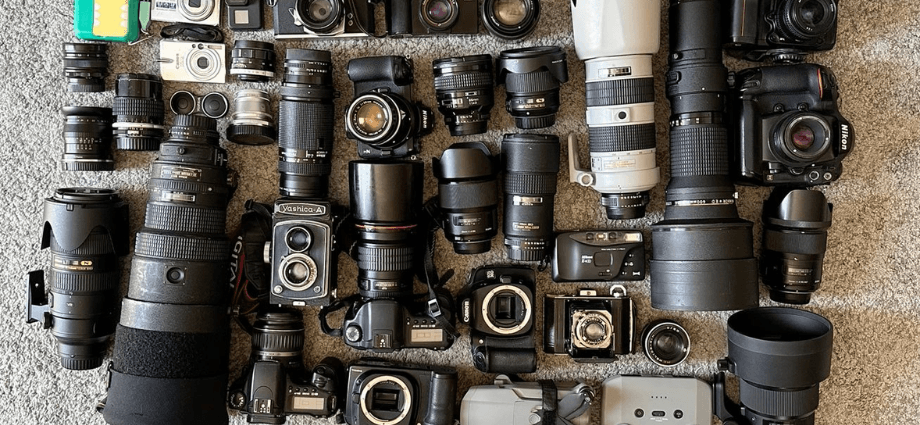
New camera features are transforming the way photographers approach their craft. With cutting-edge technology, cameras are becoming more intelligent and capable, allowing for enhanced photo quality and more creative possibilities.
The Rise of AI-Powered Features
Artificial intelligence (AI) is no longer just a buzzword—it’s a game-changer in modern cameras. AI-powered features have become a staple in the latest models, offering automatic adjustments and enhancements that make taking great photos easier than ever. These advancements make cameras more intuitive, reducing the need for manual settings and enabling even beginners to take stunning photos.
Higher Megapixels and Their Impact
High-resolution sensors have become a defining feature in the latest cameras. With increasing megapixels, photographers can capture more detailed images that stand out in both print and digital formats. While megapixels alone do not determine photo quality, they offer photographers greater flexibility in how they use their images, particularly for professional work. These cameras allow for larger prints, detailed cropping, and clear fine details in images.
Advanced Low-Light Performance
Cameras with superior low-light performance are making a big impact in photography, especially for night and event photographers. New sensors and improved ISO capabilities allow for bright, clear images even in the darkest environments.
- Improved Sensors: New sensor technologies, like back-illuminated sensors, capture more light in low-light conditions.
- High ISO Capabilities: Cameras can now shoot at higher ISO levels with minimal noise, making them ideal for evening shoots.
- Fast Lenses: Lenses with wide apertures help cameras gather more light, improving image quality in dim conditions.
These advancements are especially useful for photographers who frequently work in environments with little or no available light, such as weddings or concert photography.
Leading Camera Models Redefining Photography
The latest camera models from top brands are setting the bar high, offering features that cater to both professionals and hobbyists. Whether you’re looking for a versatile mirrorless camera or a robust DSLR, there’s something for everyone.
Mirrorless Cameras and Their Advantages
Mirrorless cameras have revolutionized the photography industry by offering a compact, lightweight alternative to traditional DSLRs. These cameras use electronic viewfinders or LCD screens instead of a mirror, making them smaller and more portable. They’re ideal for travel and are known for their quick autofocus, especially when shooting video. Popular mirrorless models like the Sony Alpha series and Canon EOS R have become favorites among both professionals and enthusiasts.
DSLR Cameras: Still a Strong Contender
While mirrorless cameras are gaining traction, DSLRs remain a solid choice for many photographers. These cameras continue to offer exceptional image quality, versatility, and a wide range of lenses.
- Optical Viewfinder: Unlike mirrorless cameras, DSLRs use optical viewfinders, which some photographers prefer for their clarity and lack of lag.
- Long Battery Life: DSLRs typically have longer battery life than mirrorless cameras, making them ideal for long shoots.
- Robust Build: Many DSLRs are designed to withstand tough conditions, with weather-sealed bodies that protect against dust and moisture.
Brands like Canon, Nikon, and Pentax continue to produce top-of-the-line DSLR models that appeal to professional photographers and those seeking maximum reliability.
The Growth of Smartphone Photography
Smartphones have become powerful photography tools in their own right, closing the gap with traditional cameras. With multiple lenses and advanced software, modern smartphones are capable of producing high-quality images and video. Smartphone cameras have become more versatile, offering wide-angle, telephoto, and macro lenses, as well as AI-powered features like portrait and night modes. While they may not match the quality of professional cameras, smartphones like the iPhone and Google Pixel are proving to be impressive alternatives for everyday photography.
Impact of New Camera Technology on Professional Photography
As camera technology continues to advance, the impact on professional photography is becoming more evident. With new features, professionals are now able to capture images and videos with unprecedented ease and creativity.
Improved Video Capabilities for Creators
Video recording technology in modern cameras has evolved dramatically. With high-definition video options, cameras are now capable of delivering cinematic-quality footage for filmmakers and content creators alike.
- 4K and 8K Video: The ability to shoot in 4K and even 8K provides ultra-clear resolution for professional video projects.
- Slow Motion: Many new cameras can shoot high-speed video, allowing for smooth slow-motion effects in videos.
- Professional Audio: Newer models offer better built-in microphones and external audio options, enhancing the overall video quality.
These features are especially beneficial for creators who want to combine both photography and videography in their projects.
Photographers and the Importance of Versatility
Professional photographers require cameras that can handle a wide range of tasks. Cameras with versatile features allow them to adapt to various scenarios, whether it’s a studio session or an outdoor shoot. Many new cameras now offer customizable settings, weather sealing, and dual image stabilization to help photographers take on any challenge. These versatile cameras ensure that professionals can work in different environments without worrying about their equipment.
What’s Next for Camera Technology?
As technology continues to advance, the future of cameras looks incredibly promising. Upcoming trends suggest even more improvements that will push the boundaries of what’s possible in photography.
Upcoming Trends in Camera Development
Looking ahead, we can expect to see continued innovation in the world of photography. Some of the emerging trends include:
- More AI Integration: AI will likely become even more advanced, offering better image recognition and automatic editing.
- Compact and Lightweight Designs: Cameras will continue to shrink in size, with more portable and travel-friendly designs.
- Enhanced Battery Life: Manufacturers are working to improve battery performance, allowing photographers to shoot longer without needing a recharge.
These trends suggest that the next generation of cameras will be more efficient and user-friendly, making it easier for photographers to capture stunning shots on the go.
The Role of Consumer Feedback in Shaping Camera Innovation
Manufacturers are increasingly listening to photographers to improve their products. Through crowdsourced ideas and user feedback, camera companies are developing models that better meet the needs of today’s photographers. More cameras are offering customizable settings and accessibility features, ensuring that both beginners and professionals can make the most of their gear. This consumer-driven approach helps ensure that the future of photography will be shaped by real-world needs.
Conclusion
The evolution of camera technology has opened up new possibilities for both professionals and hobbyists. With AI-powered features, higher resolution sensors, and improved video capabilities, the latest models are redefining photography standards. As technology continues to progress, it will be exciting to see what future innovations will bring to the world of photography.
Share this content: