Emerging Trends in Wearable Technology
Wearable technology is changing the way we live and manage our health. These devices are designed to be worn on the body and help users track daily activities, fitness goals, and health metrics. From smartwatches to fitness trackers, wearables are becoming more common and more advanced, offering users real-time data to monitor their wellbeing. This technology has evolved from simple gadgets to essential tools in personal health management.
The Growing Role of Health and Fitness Monitoring
Wearable devices have taken fitness and health monitoring to the next level. These devices now allow users to track a wide range of health-related metrics, helping them stay informed about their physical condition.
Real-Time Health Tracking
One of the most important features of wearable technology is its ability to monitor health in real time. Popular devices like smartwatches and fitness bands provide users with up-to-date data on:
- Heart rate: Monitors your pulse throughout the day.
- Blood pressure: Measures the force of blood against your artery walls.
- Glucose levels: Tracks sugar levels, especially useful for diabetics.
These real-time updates can help users understand their body’s needs and take action when necessary. For example, if your heart rate is too high, the device will notify you, encouraging you to rest or seek medical advice.
Predictive Health Features
Wearables are no longer limited to tracking current health status; they are now becoming predictive tools. Using advanced sensors and algorithms, these devices can predict potential health issues before they become serious. For instance:
- Early warning for heart problems: Some devices can detect irregular heartbeats.
- Sleep pattern analysis: Identifying sleep disorders like apnea.
- Stress detection: Measuring physical signs of stress and recommending relaxation techniques.
These features are incredibly valuable as they enable early intervention, potentially preventing serious health problems down the line.
Wearables are transforming how we approach personal health, moving from simple tracking to active health management. This shift makes them an essential tool for improving overall well-being.
Integration with Artificial Intelligence (AI)
AI is increasingly playing a crucial role in the development of wearable technology. By combining AI with wearable devices, manufacturers are making these gadgets smarter and more intuitive.
AI-Enhanced Personalization
With the help of AI, wearables can now personalize experiences based on your activity and health data. This means the device learns from your habits and provides suggestions that fit your lifestyle, such as:
- Customized workout plans based on fitness goals.
- Diet recommendations tailored to your health needs.
- Sleep improvement tips based on sleep patterns.
AI adapts to the user, making wearables even more useful and effective in achieving personal health goals.
Improved Data Analysis
Wearables collect vast amounts of data, but AI is needed to analyze this information quickly and accurately. By using AI to process and interpret this data, wearables can offer better insights, such as:
- Identifying trends: For example, noticing if your heart rate rises after a certain activity.
- Predicting future health risks: Based on historical data, AI can spot patterns that suggest health concerns.
With AI, wearable technology can offer a level of analysis that was once only possible with medical professionals. This makes wearables not only more practical but also more powerful in managing health.
AI has made wearable technology more intelligent, allowing for tailored experiences and deep analysis that helps users make better health decisions.
Advancements in Design and Comfort
As wearable technology becomes more advanced, the design and comfort of these devices have also improved. Modern wearables are sleeker, more comfortable, and easier to wear for long periods.
Lightweight and Stylish Devices
Wearables no longer need to be bulky or uncomfortable. New materials, like flexible plastics and lightweight metals, allow wearables to be worn all day without discomfort. These improvements have led to:
- Slimmer designs: Devices that fit snugly on your wrist or clothing without feeling heavy.
- Fashionable choices: Wearables that look like traditional accessories (watches, jewelry).
- Variety in colors and styles: Making wearables more adaptable to personal tastes.
Now, wearables are seen as fashionable and practical, blending seamlessly with everyday clothing.
Better Battery Life
Battery life is a key concern for users of wearable devices, as these gadgets need to function continuously. Thanks to advancements in battery technology, many devices now last much longer on a single charge, including:
- Longer-lasting smartwatches: Some can last for up to 7 days.
- Quick-charging devices: Reducing downtime between uses.
- Low-power consumption features: Devices that consume less energy, extending battery life.
Longer battery life ensures that users can rely on wearables for continuous health monitoring without frequent charging interruptions.
With these improvements in design and battery life, wearables are becoming more user-friendly and suitable for daily wear.
The Future of Wearables in Healthcare
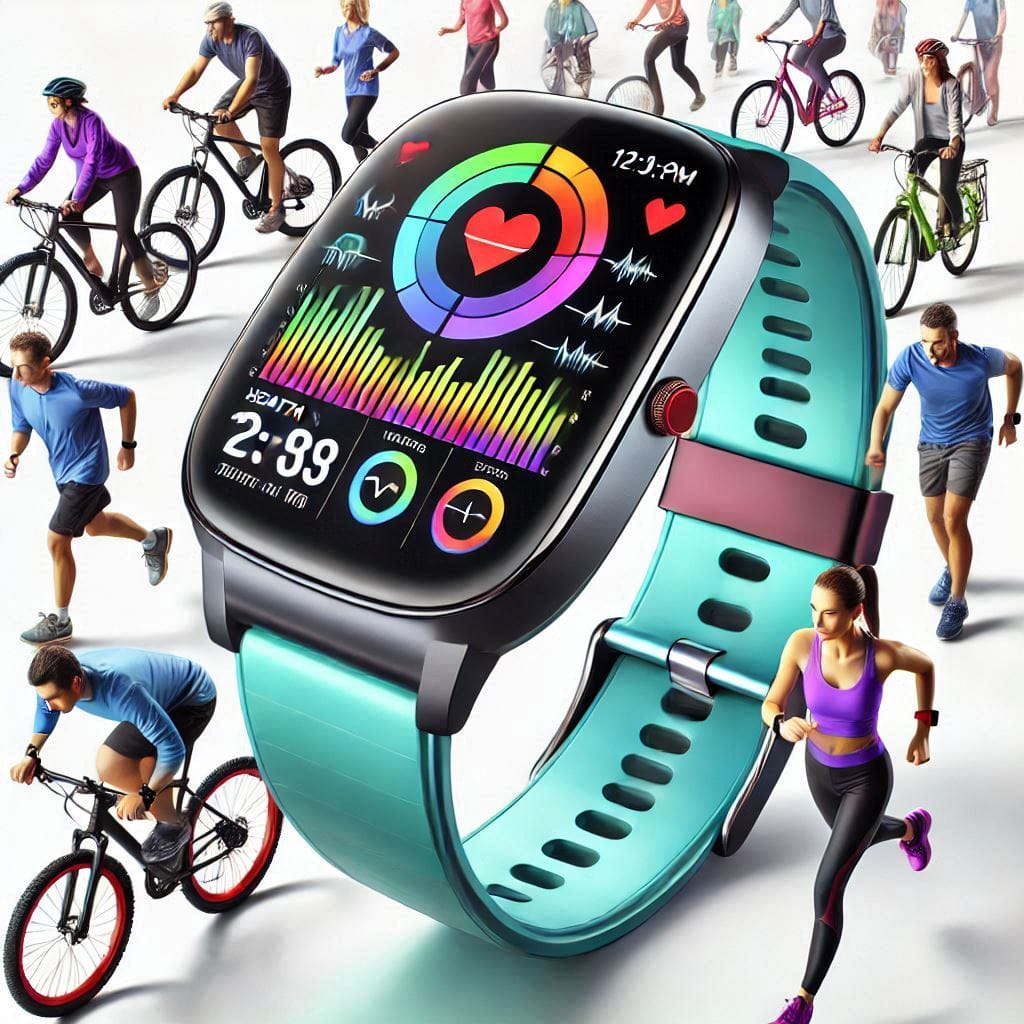
The future of wearable technology is closely tied to healthcare, with the potential to change how we receive medical care and manage our health.
Remote Monitoring for Healthcare Providers
Wearables are making it easier for healthcare professionals to monitor patients remotely. These devices can transmit real-time health data directly to doctors, which allows for:
- Continuous health monitoring: Monitoring conditions like heart disease or diabetes without needing hospital visits.
- Faster response to emergencies: Doctors can respond to sudden changes in a patient’s health based on the data.
- Improved chronic condition management: Patients with chronic diseases can have their health checked remotely on a regular basis.
This technology is making healthcare more efficient and accessible for patients, especially those in remote or underserved areas.
Wearables for Mental Health
In addition to physical health, wearables are being designed to help with mental health. Devices can now track factors such as:
- Stress levels: Using heart rate variability to monitor stress.
- Mood patterns: Recognizing changes in mood based on physical symptoms like sleep or activity.
- Sleep disorders: Monitoring sleep cycles and offering tips for improvement.
By tracking these mental health markers, wearables are playing an essential role in supporting overall emotional well-being.
Wearable technology is expanding into healthcare in powerful ways, from chronic disease management to improving mental health, making it a vital tool for the future of medicine.
Conclusion: The Future of Wearable Technology
The emerging trends in wearable technology are reshaping how we monitor and manage our health. From real-time health tracking to AI-powered insights and better design, wearables are becoming more integrated into daily life. As technology continues to advance, we can expect even more exciting features and capabilities, especially in healthcare. The future of wearables looks bright, with the potential to improve lives in ways we never thought possible.
Share this content: