Fitbit vs Amazfit: Which Is the Better Budget Tracker?
Fitness trackers have become everyday accessories for people aiming to maintain a healthy lifestyle. They help monitor steps taken, calories burned, and sleep quality, making it simpler to stay on track with personal goals. Among the brands available, Fitbit and Amazfit stand out for those seeking affordable devices that still include essential features. While Fitbit carries a reputation for solid performance and a user-friendly interface, Amazfit has gained attention due to its lower cost and impressive battery life.
Choosing the right tracker often comes down to what features and design elements best suit a person’s routine. Some individuals value an active fitness community, while others prioritize long-lasting battery life or advanced health-tracking metrics. This article compares Fitbit and Amazfit in detail, highlighting how each brand approaches key factors such as price, tracking accuracy, battery efficiency, and overall user experience. By examining these points, you can make an informed decision on which device aligns more closely with your daily habits and budget constraints.
Quick Comparison
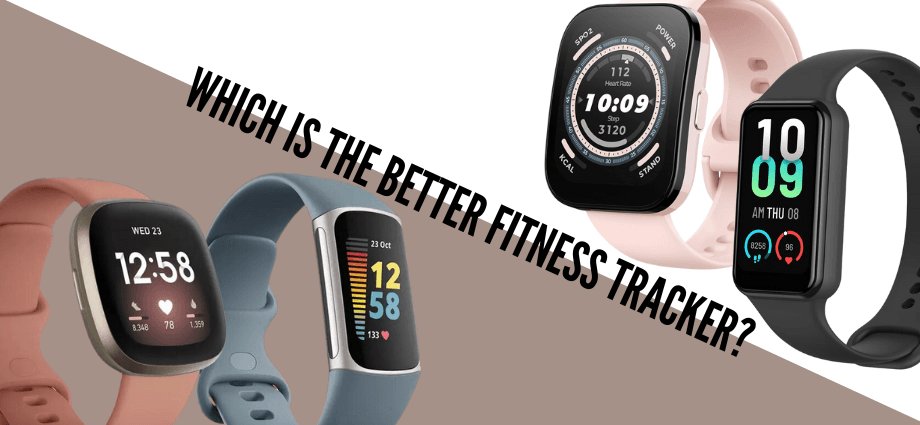
This section summarizes the most vital differences between Fitbit and Amazfit before delving deeper into specifics.
Price Overview
When people shop for a budget-friendly tracker, cost is typically the first factor they assess. Fitbit offers a range of devices, but even its entry-level models can be a little more expensive than Amazfit’s basic offerings. Many Fitbit users, however, find the price difference acceptable because of the brand’s track record in sensor accuracy, software updates, and a familiar user interface.
Amazfit, known for value-oriented products, appeals strongly to cost-conscious consumers. The brand often releases models that undercut Fitbit’s prices without completely sacrificing quality. These trackers cover essential metrics like steps, distance, and heart rate, making them suitable for people who only need the basics. If you aim to save money while still benefiting from modern fitness tracking features, you may favor an Amazfit device over an equivalent Fitbit.
Basic Features
Fitbit and Amazfit generally offer a similar core set of features. Both brands include step counting, calorie estimates, and sleep tracking, features that help users understand their daily activities and rest patterns. Heart rate sensors are also commonly found in both lineups, providing real-time data to measure workout intensity or stress levels.
However, Fitbit is often praised for a more refined approach to data presentation and syncing. The software ecosystem is polished, making it straightforward to view graphs, compare timelines, and participate in challenges. Amazfit, while effective at gathering data, may feel slightly less smooth in app navigation. Despite this, many users find that Amazfit’s tracking accuracy and day-to-day performance meet their main needs perfectly well.
Design and Comfort
For individuals wearing their fitness trackers throughout the day, design can be surprisingly important. Fitbit products range from slim bands to watch-like faces, offering variations in band material, color, and screen size. This makes it easy to choose a style that matches both workout clothes and everyday attire. The comfort level is generally positive, as Fitbit pays attention to user feedback on how devices feel during sleep and exercise.
Amazfit also caters to different tastes, offering round faces for people who prefer a traditional watch design, as well as rectangular screens for a modern, sporty look. The brand tends to use lightweight materials that do not weigh heavily on the wrist, ensuring minimal discomfort even during longer workouts. While taste in design is subjective, both companies try to accommodate a wide range of preferences.
Health and Fitness Tracking
The ability to monitor vital health and exercise metrics is at the core of any tracker’s functionality.
Heart Rate Monitoring
Heart rate monitoring helps users measure the intensity of their workouts, track resting heart rate, and look for signs of general cardiovascular health. Fitbit is well-regarded for its consistent heart rate readings, thanks to sensor technology that has been tested and refined over many product generations. Data syncs seamlessly with the Fitbit app, allowing quick checks on daily or weekly heart rate trends.
Amazfit’s heart rate sensors have improved with each product release, providing a useful measure for most casual to moderately active individuals. Some users report small variations compared to medical-grade monitors, but these differences are typically minor. In general, the sensors capture a reliable overview of heart rate patterns, which is sufficient for day-to-day health tracking and non-professional workout sessions.
Sleep Tracking
Quality sleep plays a vital role in maintaining physical and mental well-being. Fitbit is known for in-depth sleep tracking, including a breakdown of light, deep, and REM sleep. Its app assigns a sleep score, which offers a quick overview of how restful the previous night was. This can be especially useful if you want to make changes to your bedtime routine or identify whether stress is affecting your rest.
Amazfit also provides detailed sleep tracking, showing total sleep duration and periods of light and deep rest. Some higher-end Amazfit models include REM tracking, but the level of detail can vary. The companion app makes it possible to analyze sleep trends over weeks or months. Although Fitbit may have a slightly more polished display of sleep metrics, Amazfit’s approach is usually adequate for users who want a general picture of their nightly rest.
Activity Tracking
For people who want to stay active, an accurate record of daily steps, distance traveled, and calories burned is key. Fitbit’s platform excels in its community-based approach, where users can join challenges, compare results with friends, and set shared goals. This social element can be motivating if you thrive on friendly competition.
Amazfit prioritizes offering multiple sports modes for a variety of exercises, from walking and running to cycling and swimming. The data logs are detailed enough to help you track improvement, even though the social dimension might not be as robust as Fitbit’s. For many people, the difference comes down to whether they desire a lively fitness community or simply want to monitor their own progress privately.
Battery Life and Charging
An often overlooked but significant factor is how frequently you need to recharge the device.
Battery Performance
A hallmark of many Amazfit models is their long-lasting battery. Some devices can run for well over a week, and certain models extend beyond two weeks, depending on usage patterns. This advantage appeals strongly to travelers, busy professionals, or anyone who dislikes frequent charging sessions.
Fitbit trackers, while improving in battery efficiency, generally last about five to seven days on a single charge. This is still respectable, but it falls short of Amazfit’s upper range. The reason behind this difference is often the extra processing power used by Fitbit’s more feature-rich ecosystem, which can drain the battery faster. If you prioritize minimal downtime, Amazfit might be a more suitable choice.
Charging Time
Both Fitbit and Amazfit rely on proprietary charging docks or cables that align with their respective designs. Most Fitbit devices can fully charge within one to two hours, and the same is true for many Amazfit models. If you charge while showering or during meal breaks, the time may not be a major inconvenience. However, because certain Amazfit trackers last significantly longer between charges, you will not need to connect them to a power source as often, potentially adding to their overall convenience.
Companion App and Connectivity
In addition to tracking, most users expect their device to sync with apps on smartphones and possibly other health platforms.
App Usability
Fitbit’s app interface is often applauded for being user-friendly, featuring clean graphs and straightforward navigation. It consolidates essential information—step count, sleep quality, and heart rate—on a main dashboard, making it easy to stay informed about daily progress. The app also integrates well with many third-party services, helping users maintain a cohesive health profile.
Amazfit relies on the Zepp app (previously known as the Amazfit app). While the interface might not be as polished, improvements are frequent through software updates. The app displays basic workout and health stats clearly, including charts for step counts, caloric burn, and sleep stages. It may require a bit more effort to discover certain advanced features, but the overall experience is still satisfactory for individuals seeking essential tracking data.
Connectivity Features
Both Fitbit and Amazfit allow Bluetooth pairing with your smartphone, enabling features like call and message notifications. Some models also provide weather updates, music control, and alarms. Fitbit benefits from an established ecosystem, often integrating seamlessly with well-known services like Google Fit or Apple Health. Amazfit, though newer in the global market, continues to expand connectivity through firmware updates, gradually closing the gap with Fitbit in compatibility and ease of use.
Pros and Cons
While both brands excel in unique ways, it is helpful to consider a final overview of their advantages and disadvantages.
- Fitbit Advantages:
Fitbit is widely recognized for accurate tracking, reliable app integration, and a vibrant community that fosters motivation. Its sleep-stage metrics and heart rate readings are usually precise, and the customer support structure is robust. - Fitbit Drawbacks:
The main downside is often the higher cost, which may deter budget-conscious shoppers. Battery life, while decent, tends not to match that of certain Amazfit models. Also, the brand’s advanced features can sometimes be locked behind pricier product tiers. - Amazfit Advantages:
Amazfit’s biggest selling points are affordability and a potentially lengthy battery life. The lineup includes models with various designs and sport modes, giving consumers a wide range of choices. This makes it appealing for those who want essential fitness data without paying extra. - Amazfit Drawbacks:
Some users find that Amazfit’s app interface is not as intuitive, and the brand’s customer support and online communities are smaller compared to Fitbit’s. Heart rate monitoring and sleep tracking can occasionally show slight inconsistencies, though not enough to be a problem for most casual users.
Conclusion
Deciding whether Fitbit or Amazfit is the better budget tracker ultimately comes down to personal preference and which features align best with your fitness goals. Fitbit offers a well-established ecosystem, reliable tracking accuracy, and a supportive community aspect that encourages social engagement. It is an excellent choice for those who enjoy a polished app experience and do not mind paying a bit more for brand recognition and dependable technology.
Amazfit, on the other hand, provides noteworthy value for its price point, along with impressive battery longevity across many of its models. By focusing on the essential features, Amazfit caters to those who simply need step counts, sleep data, and basic activity monitoring without frequent recharging. Its app has improved over time, though it may still require additional updates to match Fitbit’s level of polish.
In short, if you are budget-minded and want a tracker that needs minimal charging, Amazfit is likely the better fit. If you value a powerful app experience, a large support community, and do not mind the higher price tag or more frequent charging, Fitbit is a tried-and-true option. Both brands serve their respective audiences well, so the choice hinges on which benefits matter most for your lifestyle.
Share this content: