How to Use Digital Wallets Securely
In an increasingly cashless world, digital wallets have become an essential tool for managing and making payments. They allow users to store payment information, such as credit/debit cards, loyalty cards, and other essential documents, in one easy-to-access location. However, with the convenience of digital wallets comes the responsibility to protect sensitive information. Without proper security measures, digital wallets can be vulnerable to fraud, hacking, and identity theft. This guide will explore how to securely use digital wallets, from choosing the right wallet to best practices for protection.
Understanding Digital Wallets
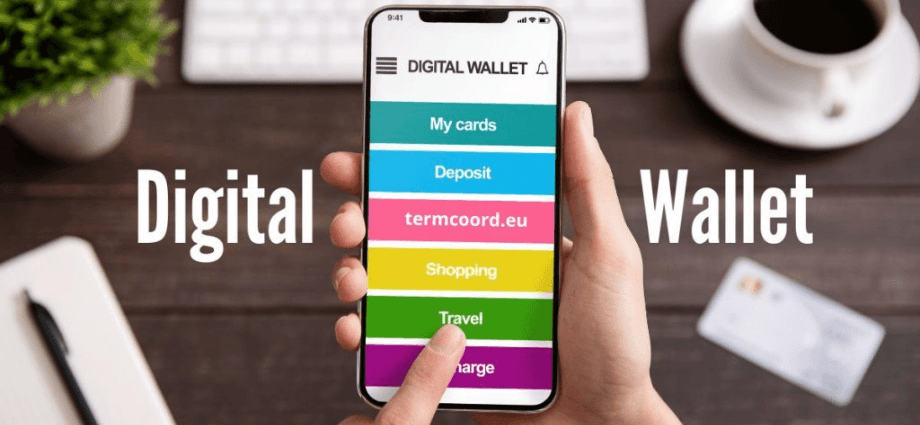
Before diving into security tips, it’s important to understand what digital wallets are and how they work.
What Are Digital Wallets?
A digital wallet is an application that allows users to store and manage their payment methods digitally. Popular examples include Apple Pay, Google Pay, and PayPal. These wallets allow users to make payments, transfer funds, and store receipts and other information without the need for physical cards. Digital wallets can be used for both online and in-person transactions.
Why Use Digital Wallets?
Digital wallets offer several advantages, such as:
- Convenience: You can store multiple payment methods and make quick transactions without carrying cash or cards.
- Security: Digital wallets use encryption and tokenization to protect your payment information during transactions.
- Speed: Digital wallet payments are often faster than traditional methods like swiping or inserting cards.
Risks Associated with Digital Wallets
Despite their benefits, digital wallets also pose certain security risks. These include hacking, unauthorized access, and fraud, especially if the wallet is not properly secured. If your digital wallet is compromised, sensitive financial information could be exposed.
Best Practices for Securing Your Digital Wallet
Securing your digital wallet is essential for protecting your personal and financial information. Below are best practices to ensure your wallet stays safe.
Use Strong Authentication Methods
One of the most important ways to protect your digital wallet is by using strong authentication methods. This includes:
- PINs and passwords: Use complex passwords and avoid using easily guessable ones.
- Biometrics: Enable fingerprint recognition or facial recognition to add an extra layer of protection.
- Multi-factor Authentication (MFA): Enable MFA on your wallet and associated accounts for additional security.
These methods make it significantly harder for unauthorized users to access your wallet.
Regularly Update Your Wallet App
Keeping your digital wallet app updated ensures that you benefit from the latest security patches and features. App developers regularly release updates to fix security vulnerabilities. By enabling automatic updates, you can make sure your app is always running the latest version, minimizing security risks.
Set Up Device Security
Your phone or computer should also have security features enabled to protect your digital wallet:
- Password or passcode: Set up a strong password or PIN on your device to prevent unauthorized access.
- Encryption: Ensure that device encryption is turned on so that your data remains protected in case the device is lost or stolen.
- Find My Phone: Enable “Find My Phone” to locate and remotely wipe your device if it’s lost or stolen.
With these security measures, even if your device is compromised, your wallet remains protected.
Choosing the Right Digital Wallet
Not all digital wallets offer the same level of security. It’s important to choose a wallet that prioritizes privacy and protection.
Research Digital Wallet Providers
Before selecting a digital wallet, research the provider’s security features and track record. Look for:
- Reputation: Choose wallets from well-known and trusted companies, such as Apple, Google, or PayPal.
- Security features: Check for features like encryption, tokenization, and fraud protection.
- User reviews: Research how other users have rated the wallet’s security features.
By doing your research, you can ensure that your wallet provides a high level of protection.
Understand Security Features of Your Wallet
Most digital wallets offer a variety of security features to protect your information:
- Encryption: Encrypts payment information so that it’s unreadable during transactions.
- Tokenization: Replaces sensitive card details with a unique identifier (token) to reduce the risk of theft.
- Fraud protection: Many wallets provide monitoring and fraud alerts for suspicious activity.
By understanding these features, you can make informed decisions about which wallet to choose.
Enable Transaction Alerts
To stay on top of your transactions, set up real-time alerts for every purchase made through your digital wallet. Most digital wallets offer the ability to receive notifications for:
- Payment activity: Immediate alerts for every transaction, including purchases and transfers.
- Login attempts: Notifications when your account is accessed from an unfamiliar device.
- Fraud alerts: Alerts when suspicious activity is detected.
These alerts can help you quickly identify and respond to potential threats.
Using Digital Wallets Safely for Payments
When using your digital wallet for payments, it’s crucial to follow certain precautions to avoid compromising your security.
Avoid Public Wi-Fi for Transactions
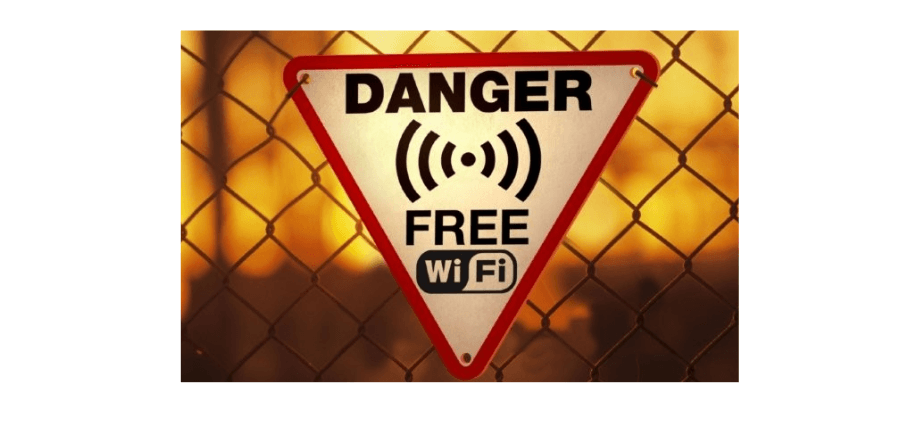
Using public Wi-Fi networks to make digital wallet transactions is risky because these networks are often unsecured. Cybercriminals can intercept data, including payment details, when using public Wi-Fi. Always use a secure, private connection, or consider using a VPN (Virtual Private Network) when making payments online.
Use Two-Factor Authentication (2FA)
Two-factor authentication is a powerful tool to add an extra layer of security to your digital wallet. With 2FA, even if someone manages to get your password, they would also need a second factor (such as a code sent to your phone) to access your wallet. Enabling 2FA for your wallet and linked accounts greatly reduces the chances of unauthorized access.
Only Use Trusted Merchants and Apps
Be selective about where you use your digital wallet. Always verify that the merchant or app you’re purchasing from is trustworthy. Look for:
- Secure websites: Ensure the website starts with “https://” and displays a lock icon.
- Trusted merchants: Only use well-known and reputable vendors when making purchases.
These precautions will help you avoid scams and ensure that your transactions are secure.
How to Recover from a Digital Wallet Security Breach
If you suspect that your digital wallet has been compromised, it’s important to act quickly.
What to Do if Your Digital Wallet Is Compromised
If you notice unauthorized transactions or suspect a breach, take the following steps immediately:
- Report the issue: Contact your digital wallet provider and report any suspicious activity.
- Freeze your account: Most digital wallets allow you to freeze your account to prevent further transactions.
- Change passwords: Update your password and enable MFA.
These steps will help minimize damage and protect your information.
How to Protect Your Accounts After a Breach
After a breach, ensure that all your linked accounts (email, bank accounts, etc.) are secured:
- Change passwords and enable 2FA for added protection.
- Monitor accounts for any further signs of fraud.
- Contact your bank or credit card company if necessary.
By taking swift action, you can safeguard your personal and financial information.
Conclusion
Digital wallets offer convenience and security, but only if they’re used properly. By following these security practices—such as using strong authentication, regularly updating apps, and enabling transaction alerts—you can ensure that your digital wallet remains safe. Be proactive in protecting your financial information, and you’ll be able to enjoy the benefits of digital payments with peace of mind.
Share this content: