How Wearable Tech Is Evolving Beyond Fitness Trackers
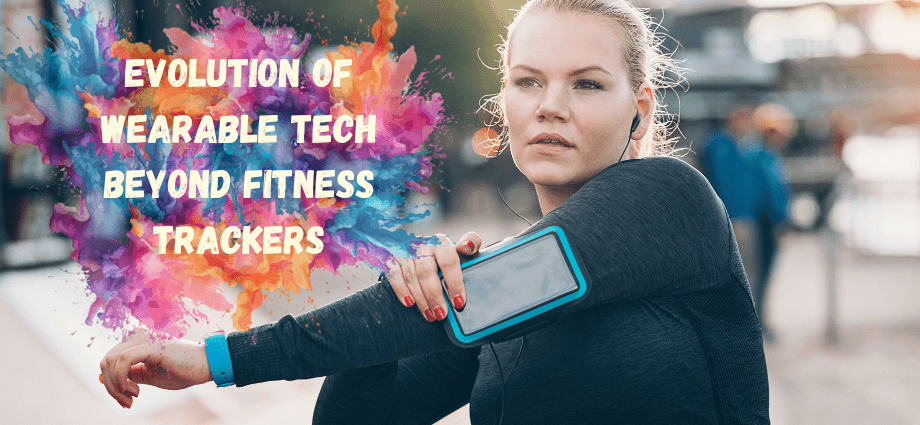
Wearable technology has come a long way since the first fitness trackers hit the market. Initially designed to track basic metrics like steps, heart rate, and calories burned, wearables have rapidly evolved into multi-functional gadgets. Today, they go far beyond fitness monitoring, integrating features that focus on health, productivity, fashion, and even mental well-being. This article explores how wearable tech is evolving and what the future holds for these devices.
The Evolution of Wearable Technology
Wearable tech began with simple fitness trackers but has quickly developed into sophisticated devices that can do much more. From smartwatches to health-monitoring gadgets, wearables have become an essential part of our lives.

From Basic Fitness Trackers to Smart Wearables
Fitness trackers were the first generation of wearable tech, designed primarily for health and fitness. These devices tracked basic activity metrics such as steps, calories burned, and heart rate. However, as the technology advanced, so did the features and functionalities of these gadgets.
- Health tracking: Fitness trackers now monitor not only activity levels but also sleep quality, heart rate, and oxygen levels.
- Connectivity: Smart wearables like smartwatches now connect to your phone, allowing notifications, calls, and app management directly from your wrist.
- Customization: Many wearables now offer interchangeable bands and customizable watch faces, allowing users to match their devices to their personal style.
As technology has improved, wearables have evolved into powerful multi-use devices, offering much more than simple fitness data tracking.
The Rise of Smartwatches and Their Multifunctionality
Smartwatches have become the next big thing in wearable technology. They combine the functions of traditional watches with advanced tech capabilities, making them much more than just timepieces.
- Notifications: Receive text messages, emails, and app notifications directly on your wrist, eliminating the need to constantly check your phone.
- Fitness tracking: Smartwatches still provide fitness and health tracking features, but they have added features like GPS tracking and ECG monitoring.
- Mobile payments: Devices like the Apple Watch and Samsung Galaxy Watch allow users to make secure payments using NFC technology, making it easier than ever to shop.
Smartwatches have become essential tools for managing daily tasks while keeping users connected without the need to constantly reach for their phones.
New Functions of Wearable Tech
Today’s wearable tech goes beyond tracking your fitness. From health monitoring to mental well-being, wearables have begun to address a wide range of needs.
Health Monitoring Beyond Fitness
Wearable tech is becoming a key tool for managing and improving health. In addition to tracking basic fitness metrics, modern wearables can monitor complex health data and even detect potential medical issues.
- ECG and heart health: Some wearables, like the Apple Watch, offer ECG monitoring, helping users track heart health and detect irregularities.
- Blood oxygen levels: Gadgets like the Fitbit Charge 5 can monitor blood oxygen saturation levels, which is especially useful for tracking conditions like sleep apnea.
- Glucose monitoring: Some advanced wearables can now track glucose levels, providing valuable data for users with diabetes.
These health-focused features turn wearables into crucial devices for preventative care and early detection of potential health issues.
Wearables for Mental Health
As awareness of mental health continues to grow, wearable tech is also beginning to focus on improving emotional well-being and stress management.
- Stress monitoring: Devices like the Garmin Venu offer stress tracking through heart rate variability, helping users manage their stress levels.
- Mindfulness features: Some wearables offer built-in meditation guides and breathing exercises to reduce anxiety and promote mindfulness.
- Mood tracking: Wearables are beginning to integrate mood tracking features, helping users better understand their mental state and take steps to improve it.
These features are helping wearables become valuable tools not just for physical health but for emotional well-being as well.
Integration with Healthcare Systems
Wearables are increasingly being integrated into healthcare systems to provide users with personalized care and enable remote monitoring by healthcare professionals.
- Remote monitoring: Devices can transmit health data to doctors and healthcare providers for continuous monitoring and early diagnosis.
- Medical alerts: Wearables can alert users or their doctors in case of abnormal health readings, such as a heart attack or an irregular heart rhythm.
- Personalized care: By integrating with healthcare apps, wearables can provide data that helps doctors tailor treatments and recommendations to individual patients.
This integration is changing the way healthcare is delivered, moving toward more proactive and remote monitoring.
Wearables in Everyday Life
In addition to health-focused features, wearable tech is making its way into everyday life, with applications in fashion, communication, and productivity.

Fashion and Personalization
Wearables are becoming more than just functional; they are also a fashionable accessory. Companies are increasingly focused on making wearables that blend style with technology.
- Customizable designs: Users can change watch faces, select different colors, or swap bands to match their style.
- Collaborations with designers: Brands like Fitbit and Apple are collaborating with fashion designers to create trendy wearables.
- Compact and stylish designs: New wearables are sleek and unobtrusive, designed to be worn all day without feeling bulky.
These fashionable designs make wearables not only practical but also a part of your personal style.
Wearable Tech in Communication and Productivity
Wearable tech is also improving communication and productivity, helping users stay connected and organized without having to reach for their phones.
- Hands-free communication: Wearable devices like smart glasses allow for hands-free communication, enabling calls, messages, and even video chats.
- Productivity apps: Smartwatches and wearables integrate with apps like calendars, to-do lists, and reminders, helping users stay organized.
- Voice assistants: Wearables like the Apple Watch or Samsung Galaxy Watch integrate with voice assistants like Siri or Google Assistant, allowing users to perform tasks using just their voice.
These functionalities make wearables a powerful tool for managing daily tasks and communication.
The Future of Wearable Tech
The future of wearable tech is bright, with advancements in AI, health tech, and AR/VR shaping the next generation of devices.
Biometric Identification and Security
Future wearables may include biometric authentication, such as fingerprint or facial recognition, to enhance security.
- Secure access: Wearables could replace traditional passwords with biometric data for secure logins and payments.
- Enhanced privacy: Biometric data would be stored securely, making it harder for hackers to steal personal information.
These features will make wearables even more secure and convenient for everyday use.
Augmented Reality and Virtual Reality
Wearables are also beginning to integrate augmented reality (AR) and virtual reality (VR), opening new possibilities for entertainment, education, and work.
- Smart glasses: Devices like Microsoft HoloLens already offer AR experiences, and future wearables may integrate this technology into everyday life.
- Immersive gaming: Wearables with VR capabilities could provide immersive gaming experiences, allowing users to interact with virtual environments in real time.
AR and VR are the future frontiers of wearable technology, promising new ways to engage with digital content.
Conclusion
Wearable technology has come a long way from being just fitness trackers. Today, wearables serve a variety of purposes, from monitoring health and fitness to enhancing productivity and communication. As technology continues to evolve, wearables will become even more integrated into our daily lives, providing us with more tools to stay connected, healthy, and efficient. The future of wearable tech is exciting, and it’s clear that these devices will continue to evolve beyond simple gadgets into essential tools for modern living.
Share this content: