Innovations in Electric Vehicles This Year
Electric vehicles (EVs) are transforming the transportation industry. As concerns about climate change grow, many consumers are turning to EVs as an eco-friendly alternative to traditional vehicles. This year, several exciting innovations in electric vehicle technology have pushed the boundaries of what is possible, making EVs more efficient, accessible, and attractive. Let’s take a closer look at some of the key advancements in the electric vehicle industry in 2024.
New Battery Technology
Battery technology is central to the development of electric vehicles. This year, a number of new and improved battery technologies have emerged, offering more efficient, longer-lasting, and cost-effective solutions. These advancements could significantly impact the range, charging times, and affordability of EVs in the near future.
Solid-State Batteries
Solid-state batteries are quickly gaining attention as a potential game-changer for electric vehicles. Unlike traditional lithium-ion batteries, solid-state batteries use a solid electrolyte rather than a liquid one. This simple shift offers a host of benefits, making these batteries safer, more efficient, and more reliable.
One of the key advantages of solid-state batteries is their higher energy density. They can store more energy in a smaller space, allowing electric vehicles to travel further on a single charge. Additionally, solid-state batteries are less likely to overheat, reducing the risk of fires—a major concern with current lithium-ion batteries. Charging times are also faster, which is crucial for reducing the inconvenience of long waits at charging stations.
Lithium-Sulfur Batteries
Lithium-sulfur batteries are another promising development. These batteries use sulfur, a much more abundant and cheaper material than the cobalt and nickel commonly used in lithium-ion batteries. This shift could make EVs more affordable, while also addressing supply chain concerns related to rare materials.
Despite their potential, lithium-sulfur batteries face challenges such as shorter lifespan and lower cycle stability. However, researchers are working to overcome these obstacles, and we may see these batteries in commercial use within the next few years. The benefits include their ability to offer higher energy density, leading to longer driving ranges.
Improved Battery Recycling
As the adoption of EVs increases, so does the need for effective battery recycling. This year, manufacturers and researchers have introduced more efficient methods of recycling lithium-ion and other types of EV batteries. These improvements allow for a higher percentage of valuable materials, such as lithium, cobalt, and nickel, to be recovered and reused.
Battery recycling not only reduces the need for new raw materials, but it also helps reduce the environmental impact of mining. The improved processes make EVs more sustainable and can lower the overall cost of battery production, contributing to more affordable EVs in the long run.
Advanced Charging Solutions
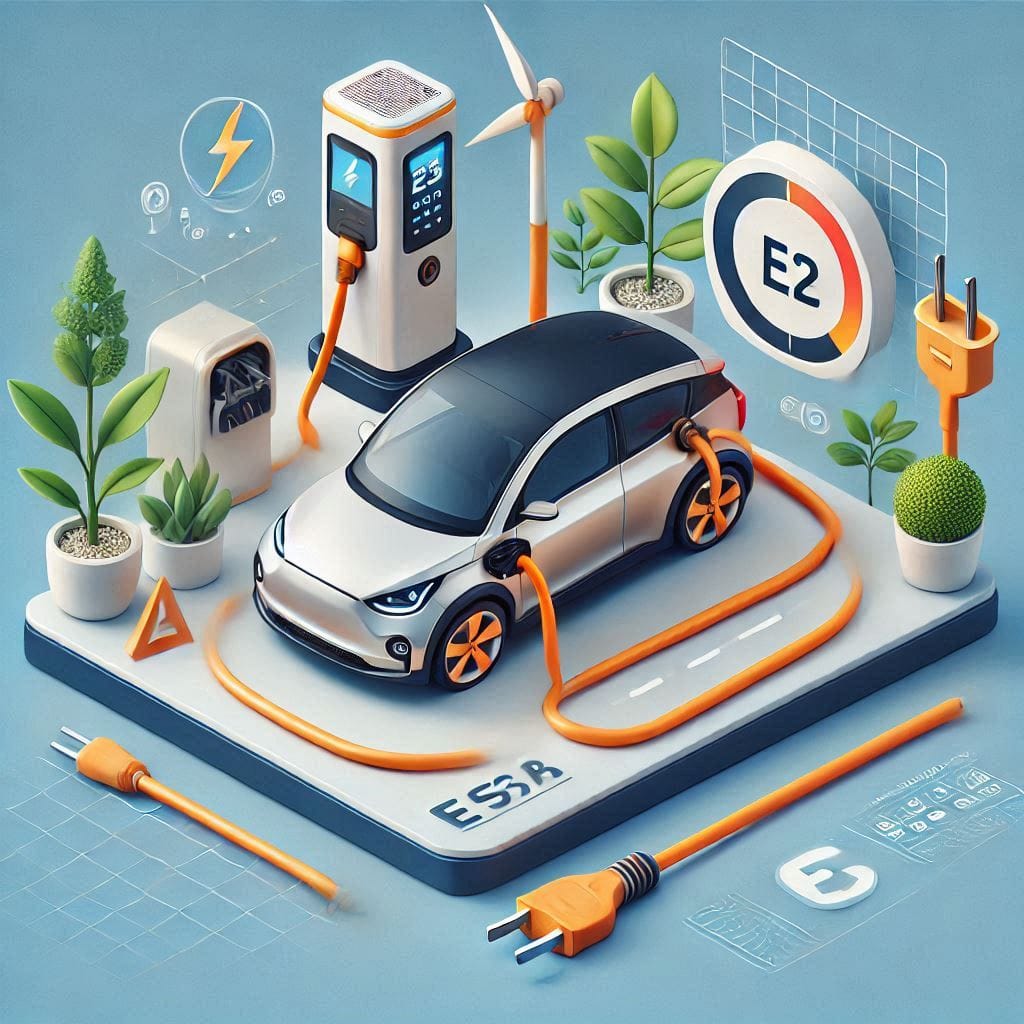
One of the main barriers to the widespread adoption of electric vehicles has been the time it takes to charge them. Fortunately, this year has seen some major innovations in charging technology, including ultra-fast charging and wireless charging solutions.
Ultra-Fast Charging Stations
Ultra-fast charging stations are a major step forward in EV charging technology. These stations can charge an EV much faster than traditional chargers, reducing the time it takes to get back on the road.
- They can charge most EVs to 80% in just 20-30 minutes.
- They are becoming more widespread, especially along highways.
- Some stations even offer high-power charging for specific EV models.
The development of ultra-fast chargers means that long-distance trips in EVs are becoming more practical.
Wireless Charging Technology
Wireless charging technology is another exciting development that has the potential to make EVs even more convenient. This technology allows electric vehicles to charge without needing to plug in a cable. It works by transferring energy through electromagnetic fields between a charging pad on the ground and a receiver installed in the vehicle.
The convenience of wireless charging could make EVs more attractive to consumers. Imagine simply parking your car over a charging pad and having it recharge automatically. Some companies have already started installing wireless charging pads in public spaces, such as parking garages and shopping centers. Although the technology is still in the early stages, the potential benefits are enormous. As it becomes more widespread, wireless charging could become the norm for EVs, making the charging process even more seamless.
Autonomous EV Technologies
The future of self-driving cars is becoming a reality, and electric vehicles are playing a significant role in this transformation. This year, several EV manufacturers have introduced advanced autonomous driving features, making EVs smarter and safer than ever before.
Enhanced Self-Driving Capabilities
Self-driving capabilities in electric vehicles have made significant strides in 2024. Many EV models now offer semi-autonomous driving features that allow the car to handle tasks such as steering, braking, and acceleration in certain conditions. Some of these systems can even navigate through traffic, park the car, or automatically change lanes on the highway with minimal input from the driver.
The advancements in self-driving technology rely on sensors, artificial intelligence, and machine learning to detect obstacles, make decisions, and navigate the road. This makes driving safer by reducing human error, which is a leading cause of accidents. While fully autonomous vehicles are still being tested, the progress made in 2024 is an encouraging step toward self-driving cars becoming more common.
EVs with Advanced Driver Assistance Systems (ADAS)
In addition to self-driving features, many electric vehicles now come equipped with Advanced Driver Assistance Systems (ADAS). ADAS uses cameras, sensors, and AI to assist drivers in real-time by providing features like lane-keeping assist, adaptive cruise control, and automatic emergency braking.
These systems significantly enhance driver safety by preventing accidents and reducing the likelihood of human error. This year, several EV models have added new ADAS features, making them even safer on the road. As these systems improve and become more widespread, they will play a crucial role in making EVs more attractive to consumers, particularly those interested in safety and convenience.
Sustainable Manufacturing Practices
As electric vehicles become more mainstream, automakers are increasingly focusing on the environmental impact of the manufacturing process. This year, EV manufacturers have introduced more sustainable production practices and are using recycled and eco-friendly materials to build their vehicles.
Green Production Processes
Automakers are adopting green manufacturing processes to reduce waste, energy use, and emissions. Many manufacturers are shifting to renewable energy sources in their factories, which helps reduce the carbon footprint of production. Additionally, some companies are using water-based paints and reducing the use of harmful chemicals in their production lines.
These greener production methods are helping make the overall lifecycle of EVs more environmentally friendly. As more manufacturers adopt these practices, the entire industry will become more sustainable, contributing to a cleaner future.
Recycled and Sustainable Materials
Using recycled materials is another way automakers are making EV production more sustainable. This year, more companies are turning to materials like recycled aluminum, steel, and plastics in the manufacturing process.
- Recycled materials reduce the need for mining and resource extraction.
- They help lower the overall environmental impact of production.
- Sustainable materials are increasingly being used in vehicle interiors, such as recycled fabrics.
These changes in the way EVs are built help reduce their overall environmental footprint and contribute to a cleaner future.
Conclusion
2024 has been a significant year for innovations in the electric vehicle market. From advanced battery technologies and faster charging solutions to self-driving features and more sustainable manufacturing practices, EVs are becoming more practical, efficient, and environmentally friendly. These innovations are not only making electric vehicles more appealing to consumers but also contributing to a cleaner, greener future. As technology continues to evolve, the future of electric vehicles looks brighter than ever, and we can expect even more exciting developments in the years to come.
Share this content: