Innovations in Personal Transportation Devices
The advancement of technology has revolutionized personal transportation, moving beyond traditional vehicles to include electric bikes, scooters, and microcars. As the world increasingly turns toward eco-friendly alternatives, personal transportation devices are becoming a crucial part of the future of commuting. This article explores the evolution, technology, and environmental benefits of these devices, as well as the challenges they face.
The Growth of Personal Transportation Devices
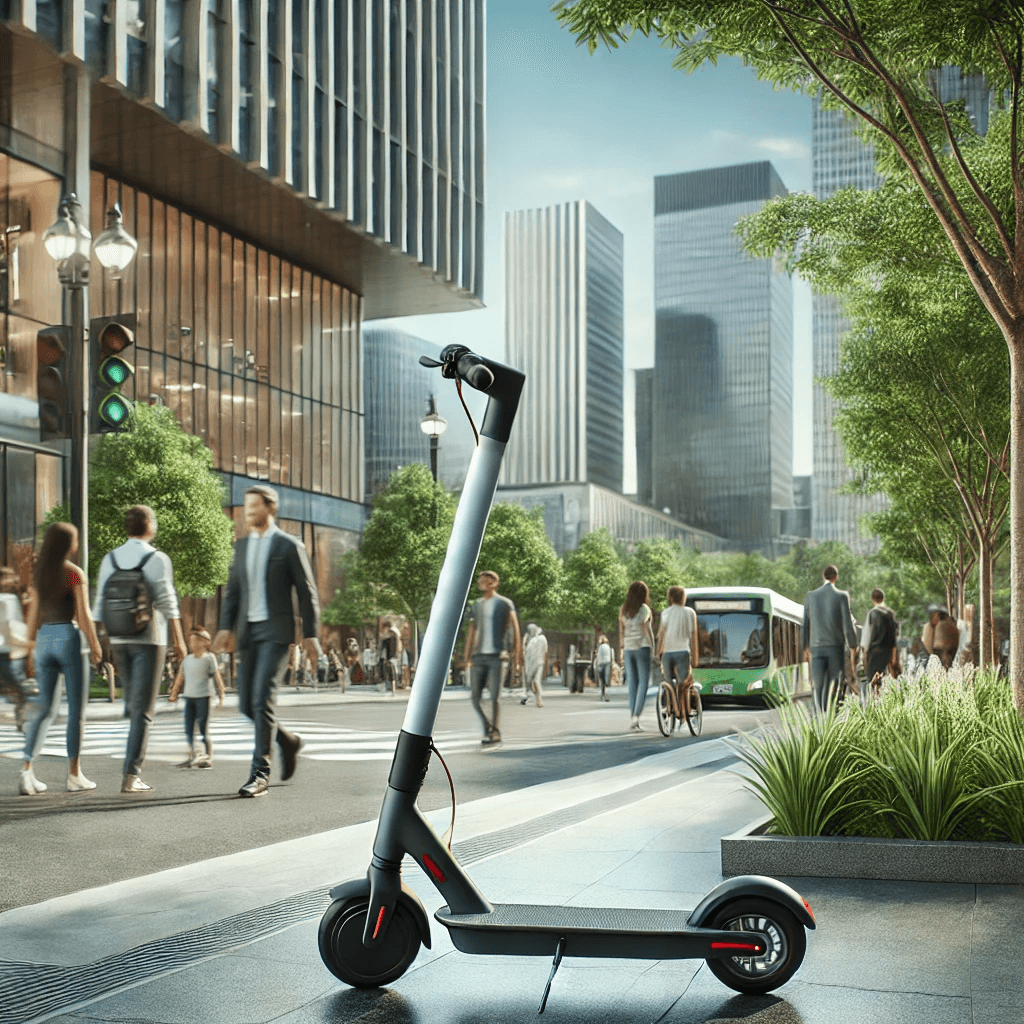
Personal transportation has evolved rapidly, driven by the need for more sustainable, efficient, and convenient travel solutions. As cities grow, and concerns about climate change rise, innovative devices like electric bikes and scooters are changing the way people commute short distances.
Early Beginnings of Personal Transportation Devices
Transportation began with walking and bicycles, and over time, new technologies were developed for more efficient travel.
- Bicycles and Walking: The initial forms of personal transportation were powered by human energy, offering freedom but limited speed.
- Motorized Scooters: Small motorized devices began emerging as efficient solutions for short distances, particularly in urban settings.
- Early Electric Vehicles: Electric-powered vehicles started appearing but lacked the technology to become widely adopted.
The Rise of Electric Personal Transportation Devices
The past decade has seen a major shift toward electric-powered transportation. Electric vehicles (EVs), electric bikes (e-bikes), and scooters have become essential urban mobility solutions, offering an alternative to traditional cars.
- Electric Bicycles: E-bikes use a small motor to assist riders, making commuting faster and less physically demanding.
- Electric Scooters: These portable, easy-to-use devices have gained popularity in cities as an eco-friendly solution for short trips.
- Electric Cars and Microcars: Compact electric vehicles are gaining traction for city commutes, helping reduce pollution and traffic congestion.
The Shift to Urban Mobility Solutions
Urban mobility solutions have emerged in response to congestion and pollution in cities. Services like ride-sharing and electric scooters are filling the gap between traditional public transportation and personal vehicles.
- Ride-Hailing Apps: Platforms like Uber and Lyft offer flexible, cost-effective transportation without the need for personal car ownership.
- Bike and Scooter-Sharing: Companies like Lime and Bird have made it easy to rent electric bikes and scooters, further reducing the reliance on private cars.
Key Technological Innovations Driving Growth
Several technological innovations have contributed to the growth of personal transportation, from electric powertrains to autonomous features, helping to make these devices faster, safer, and more efficient.
Electric Powertrains and Battery Advancements
Battery technology has made significant strides, allowing personal transportation devices to travel farther on a single charge.
- Longer Battery Life: Improved lithium-ion batteries enable electric bikes, scooters, and cars to travel longer distances.
- Better Power Management: Advances in powertrains ensure that energy is used efficiently, allowing for more sustainable travel.
- Fast Charging: Quick-charging solutions make it easier to keep personal transportation devices ready to go.
Autonomous and Smart Features
Many personal transportation devices now feature autonomous capabilities and smart features, increasing safety and convenience.
- Self-Driving Cars: The integration of autonomous technology is set to transform personal transportation by eliminating the need for a driver.
- Smart Scooters and Bikes: Devices now include GPS tracking, anti-theft systems, and app integration for better user experience.
- AI and Sensors: Advanced sensors and AI technology improve safety and route optimization for electric vehicles.
Integration with Mobility Apps
With the rise of mobility apps, users can seamlessly manage their personal transportation devices, making commuting more convenient and accessible.
- Real-Time Tracking: Apps allow users to find nearby bikes and scooters, check battery life, and track routes.
- Seamless Ride-Sharing: Many apps allow users to switch between different modes of transportation (e.g., scooter to ride-share) within the same app.
- Route Optimization: GPS features ensure that users take the most efficient and eco-friendly route.
Popular Personal Transportation Devices in 2024
By 2024, personal transportation devices have diversified, providing a variety of options for urban commuters. These devices are reshaping the way we navigate cities.
Electric Scooters and Bikes
Electric scooters and bikes are becoming the go-to solutions for short-distance travel, particularly in urban environments.
- Urban Mobility: E-scooters and e-bikes are ideal for short trips, offering speed and portability without the need for parking.
- Eco-Friendly: These devices produce zero emissions, making them a greener option compared to gasoline-powered vehicles.
- Cost-Effective: Renting or owning an electric scooter or bike is often cheaper than owning a car, with minimal maintenance costs.
Electric Skateboards and Hoverboards
Electric skateboards and hoverboards are also becoming popular, especially for young commuters seeking a fun and efficient way to get around.
- Portability: These devices are compact and easy to carry, making them perfect for those who need to travel short distances quickly.
- Fun and Practical: They offer an enjoyable way to commute while being practical for city travel.
- Energy Efficient: Like other electric devices, they reduce the environmental impact by offering an alternative to cars.
Electric Cars and Microcars
Small electric vehicles and microcars are gaining ground as sustainable alternatives to traditional cars, particularly in urban areas where space and traffic are limited.
- Microcars: These small electric vehicles are ideal for tight city spaces and reduce the overall congestion on the road.
- Zero Emissions: These cars are an eco-friendly alternative to gasoline-powered vehicles, helping cities combat air pollution.
- Affordable and Convenient: With government incentives and falling costs, these small electric vehicles are becoming more accessible.
Environmental Benefits of Personal Transportation Devices
The shift to electric-powered personal transportation is helping to address some of the most pressing environmental challenges. These devices are playing a key role in reducing emissions and promoting sustainability.
Reducing Carbon Footprint
One of the main environmental benefits of electric personal transportation devices is the reduction in carbon emissions. These devices are a much greener option than traditional vehicles, particularly in cities.
- Eco-friendly travel: Electric-powered devices produce zero emissions while in use, significantly reducing the carbon footprint.
- Reduced Traffic: Micro-mobility solutions, like electric scooters, help decrease the number of cars on the road, further reducing overall emissions.
Promoting Sustainable Urban Mobility
Personal transportation devices contribute to creating more sustainable cities. By reducing reliance on cars, these devices help to improve air quality and reduce traffic congestion.
- Last-mile solutions: These devices are perfect for the “last mile” between public transport stations and home or work, reducing the need for cars.
- Decreased need for parking: Smaller vehicles require less parking space, which is beneficial in crowded urban areas.
Energy-Efficient Solutions for Short Trips
Electric bikes and scooters offer energy-efficient solutions for commuting short distances, saving both energy and time compared to traditional vehicles.
- Lower energy consumption: These devices use less energy than cars, making them more efficient for daily short trips.
- Optimized routes: GPS and app integration ensure that users can travel the most efficient route with minimal energy usage.
Conclusion
The rapid growth of personal transportation devices is reshaping how we commute and reducing the environmental impact of transportation. Innovations in electric bikes, scooters, and cars have made commuting more efficient, cost-effective, and sustainable. As these devices continue to evolve with improvements in battery technology, smart features, and connectivity, they will play an even larger role in reducing congestion, pollution, and dependence on traditional vehicles. With the ongoing push for cleaner, more efficient urban mobility solutions, personal transportation devices are poised to become an integral part of our cities’ future.
Share this content: