Tablet Showdown: iPad vs. Android Tablets
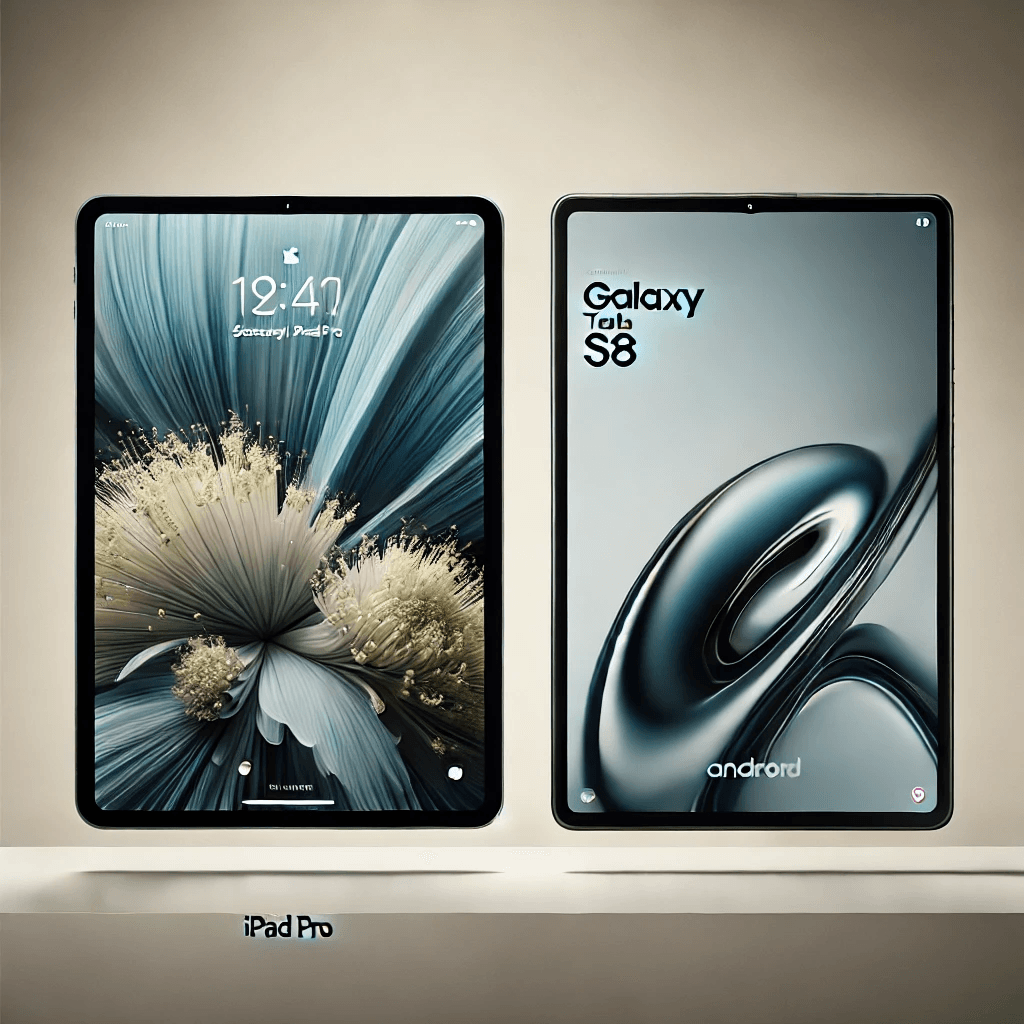
In 2024, tablets have become essential tools for both work and play, offering features like portability, powerful performance, and versatile applications. The iPad and Android tablets dominate the market, but choosing between them can be tricky. Each platform has its unique advantages, making them suitable for different needs.
This article will help you navigate the iPad vs. Android tablet debate by comparing key features, performance, and use cases, so you can make an informed decision on which tablet is right for you.
Key Differences Between iPad and Android Tablets
When choosing a tablet, understanding the core differences between iPads and Android tablets can significantly influence your decision.
Operating System
- iPads run on iPadOS, which is known for its seamless interface and integration with other Apple devices.
- Android tablets run various versions of Android, offering more customization but sometimes less stability.
iPadOS is streamlined and efficient for users who prefer simplicity and reliability, while Android provides flexibility and personalization at the cost of consistency.
App Ecosystem
- The App Store on iPads offers an extensive range of high-quality apps optimized for the iPad’s screen and hardware.
- Android tablets use the Google Play Store, which features a wider variety of apps, though some might not be optimized for tablet screens.
iPad users benefit from a polished, curated app experience, while Android tablet users enjoy a wider range of free and open apps but might sacrifice optimization.
Performance and Hardware
- iPads are equipped with Apple’s custom-designed A-series chips, known for fast performance and longevity.
- Android tablets feature processors from Qualcomm, MediaTek, or Samsung, with performance varying across models.
iPads typically outperform Android tablets in terms of raw speed, but high-end Android tablets can still offer impressive performance at a more affordable price.
Performance Comparison: iPad vs. Android Tablets
Performance is a major factor when comparing tablets, especially if you plan to use your device for professional tasks, gaming, or entertainment.
Processor and Speed
- iPads feature Apple’s A-series chips, such as the A15 and A16 Bionic, offering excellent speed for multitasking and demanding apps.
- Android tablets use a range of processors, with high-end models featuring Snapdragon 8-series chips or MediaTek Dimensity chips. However, these vary in performance.
Apple’s chips are optimized for performance, ensuring a consistently fast and responsive experience. Android tablets, depending on the processor, may not always deliver the same speed or responsiveness.
Display Quality
- iPads are known for their high-resolution Retina displays, offering sharp, vibrant colors perfect for entertainment and productivity.
- Many Android tablets also have excellent displays, but the quality can vary depending on the brand and model.
Apple’s Retina display is widely regarded as one of the best, offering superior color accuracy, brightness, and sharpness, especially for media consumption and graphic design.
Battery Life
- iPads offer impressive battery life, generally lasting 10 to 12 hours on a full charge.
- Android tablets also offer good battery life, typically 8 to 12 hours, depending on the tablet’s size and features.
iPads generally provide slightly better battery efficiency due to Apple’s integrated hardware and software optimization, making them ideal for long work or play sessions.
iPad Features and Benefits
iPads come with a range of features that make them perfect for both personal and professional use.
iPadOS and Apple Ecosystem Integration
- iPadOS offers a clean, intuitive interface, with features like multitasking, drag-and-drop, and Split View, making it easy to switch between apps.
- The integration with other Apple devices allows for seamless syncing of files, notes, and settings across iPhones, Macs, and more.
This tight ecosystem ensures a smooth user experience for anyone already using Apple products.
Premium Design and Build
- iPads are known for their sleek, premium design with a high-quality aluminum body, making them both durable and aesthetically pleasing.
- The display quality is also top-notch, with sharp Retina screens that are easy on the eyes.
For users who prioritize aesthetics and durability, the iPad’s design is unmatched in its category.
Best for Professional Use
- iPads, especially the iPad Pro, are equipped with advanced features like support for the Apple Pencil, Magic Keyboard, and professional-grade apps like Final Cut Pro and Procreate.
- The powerful processor and excellent display make iPads ideal for graphic designers, artists, and other professionals who require high-performance capabilities.
With its seamless multitasking and high-end performance, the iPad is a top choice for anyone using a tablet for professional work.
Android Tablet Features and Benefits
Android tablets offer a great balance of flexibility, affordability, and customization. They have unique features that may be more appealing for certain users.
Customization and Flexibility
- Android tablets allow for much more customization. You can change the interface, add widgets, and modify settings to suit your preferences.
- Additionally, Android offers access to third-party apps and open-source customization options that iPads don’t.
For users who enjoy personalizing their device and exploring different app options, Android provides a more flexible environment.
Wide Range of Options and Prices
- Android tablets come in various price ranges, from budget models to high-end tablets. This makes them accessible for users with different budgets.
- You can choose from a range of brands like Samsung, Lenovo, and Huawei, offering diverse features and hardware choices.
Android tablets cater to both budget-conscious consumers and those seeking premium features at a more affordable price.
Android App Store and Multi-Tasking
- Android tablets support Google’s vast app ecosystem, with apps for everything from productivity to entertainment.
- Android tablets also offer efficient multi-tasking features like split-screen mode, making it easy to run multiple apps simultaneously.
Android tablets are highly functional for users who need to juggle multiple apps or tasks at once.
Which Tablet Is Right for You?
Choosing the right tablet depends on your needs, budget, and which ecosystem you prefer. Here’s how to decide:
For Casual Users
- If you’re looking for a tablet to browse the internet, watch videos, and use social media, both iPads and Android tablets work well.
- iPads provide a more polished, premium experience, while Android tablets offer greater variety and lower cost options.
For Professionals and Creatives
- The iPad, particularly the iPad Pro, is a powerful tool for professionals, offering excellent performance and compatibility with creative tools.
- Android tablets are great for productivity tasks but may lack the high-end creative tools and performance found in the iPad Pro.
For Budget-Conscious Buyers
- If you’re on a tight budget, Android tablets provide excellent value for the money, with a variety of options available at lower prices.
- iPads tend to be pricier, but they offer long-term reliability and premium features that are worth the investment for those who need it.
Conclusion
In the battle of iPad vs. Android tablets, the choice depends on your preferences, needs, and budget. iPads offer a premium experience with excellent performance and professional tools, while Android tablets give you more customization options and affordability. If you’re a creative professional or Apple ecosystem user, the iPad is a fantastic choice. However, if you value flexibility, variety, and cost-effectiveness, Android tablets provide a wide range of choices. Ultimately, both have their strengths, so consider what matters most to you before making your decision.
Share this content: