Comparing E-Readers: Kindle vs. Kobo
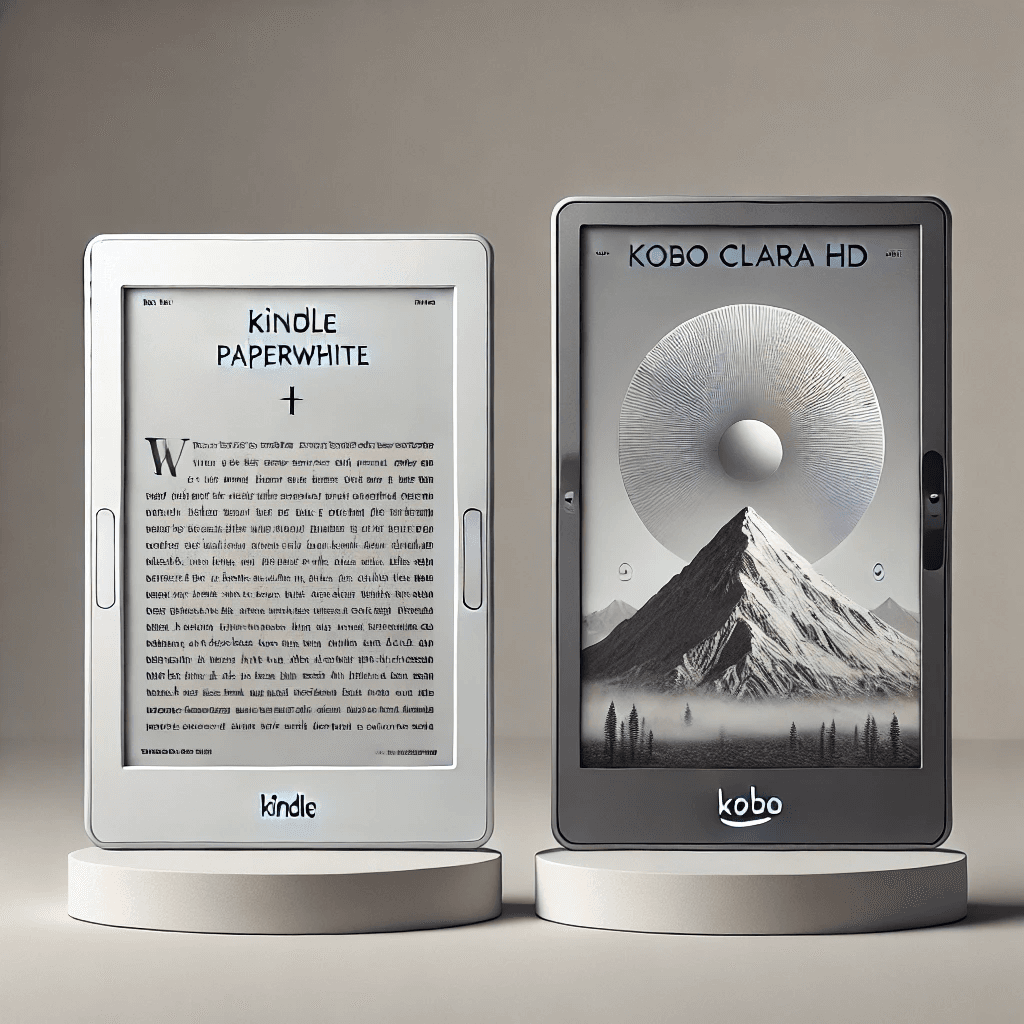
E-readers have transformed the way we read, offering a portable and convenient alternative to traditional paper books. In 2024, two of the leading names in e-readers are Kindle and Kobo, each offering distinct features and benefits. While Kindle is known for its integration with Amazon’s vast content library, Kobo provides an open ecosystem and more flexibility for users. With various models, features, and price points, choosing the right e-reader can be overwhelming.
This article will compare Kindle and Kobo, focusing on their key features, performance, and value for money. By the end, you’ll have a better understanding of which device suits your reading habits and lifestyle.
Key Features to Look for in Smart Home Devices
Before diving into a detailed comparison of Kindle and Kobo, it’s important to understand the core features that make an e-reader worthwhile.
Purpose and Need
When choosing an e-reader, think about how it will fit into your daily life.
- For casual readers: Both Kindle and Kobo provide a great reading experience with access to large collections of books.
- For library users: Kobo has strong compatibility with public libraries, which can be a big draw for readers who prefer borrowing books.
- For audiobook listeners: Kindle integrates well with Audible, allowing for easy transitions between reading and listening to audiobooks.
Each device can meet different needs, so it’s important to identify what matters most to you as a reader.
Display Quality
E-readers use E Ink technology, which provides a more paper-like experience, making them easier on the eyes compared to tablets or smartphones. Here’s what you should look for in the display:
- Resolution: Look for a screen with a high resolution (300 PPI or more) for crisp, clear text.
- Backlighting: Both Kindle and Kobo offer adjustable backlighting to make reading more comfortable in various lighting conditions.
- Glare-free display: Both devices provide glare-free screens, but check for the availability of features like warm lighting for night-time reading.
The quality of the display greatly impacts your reading comfort, so prioritize high resolution and adjustable lighting.
Storage Capacity
Storage is another factor that can influence your e-reader choice, as it determines how many books you can store at once.
- Kindle: Offers storage ranging from 8GB to 32GB, enough for thousands of books and a small selection of audiobooks.
- Kobo: Typically offers 8GB storage, which is sufficient for most readers. It also supports various file formats, including EPUB, which gives more flexibility in content storage.
While both options offer ample storage for most readers, consider how much content you plan to store and whether you need support for non-Amazon formats.
Kindle vs. Kobo: Comparing the Features

1. Kindle
Overview: Kindle, Amazon’s flagship e-reader, is designed to integrate seamlessly with the Amazon ecosystem, offering a broad selection of books, audiobooks, and services. With models like the Kindle Paperwhite and Kindle Oasis, Amazon covers a wide range of reader preferences.
- Pros and Cons:
- Pros:
- Vast content library: Seamless access to Amazon’s vast library of e-books, audiobooks (via Audible), and Kindle Unlimited.
- Waterproof models: The Kindle Paperwhite and Oasis are waterproof, making them perfect for beach or bath reading.
- High resolution: The Kindle offers a sharp, glare-free 300 PPI display, making reading more comfortable in different light conditions.
- Cons:
- Proprietary content format: Kindle’s format (AZW3) is proprietary, meaning it can’t easily open files from other sources like EPUB.
- Expensive models: Premium models like the Kindle Oasis come with a higher price tag compared to Kobo.
- Pros:
- Best For: Readers who love Amazon’s ecosystem, including Kindle Unlimited and Audible, and prefer a seamless, all-in-one device for books and audiobooks.
Amazon’s Kindle is ideal for those already invested in the Amazon ecosystem and looking for a reliable, high-quality reading experience.
2. Kobo
Overview: Kobo, a subsidiary of Rakuten, offers a more open reading experience than Kindle, supporting various eBook formats, including EPUB. With models like the Kobo Clara HD and Kobo Libra 2, Kobo aims to provide flexibility and library access for avid readers.
- Pros and Cons:
- Pros:
- Wide file format support: Kobo supports multiple formats like EPUB, PDF, and MOBI, providing more options for content beyond the Kobo store.
- Library integration: Kobo offers easy integration with public libraries through OverDrive, making it simple to borrow eBooks.
- Customization: Kobo offers more customization options for fonts, margins, and text size.
- Cons:
- Smaller content library: Compared to Amazon, Kobo’s selection of eBooks is more limited.
- No audiobook support: Unlike Kindle, Kobo doesn’t support audiobooks or integration with Audible.
- Pros:
- Best For: Readers who prefer flexibility in content sources, especially those who want access to library books and third-party stores.
Kobo is great for users who want a wider variety of content sources and prefer borrowing books from libraries without being tied to one platform.
3. Display and Design Comparison
Overview: Display quality is one of the most important aspects of any e-reader. Let’s take a closer look at how Kindle and Kobo compare in terms of display and design.
- Kindle’s Display Features:
- The Kindle features a high-resolution 300 PPI display that is easy on the eyes, even during long reading sessions.
- The Kindle Oasis offers an ergonomic design with physical page-turn buttons, which some readers prefer for a more tactile experience.
- Kindle offers adjustable lighting and a warm light feature, making reading more comfortable in low light conditions.
- Kobo’s Display Features:
- Kobo uses the same high-resolution 300 PPI technology, ensuring crisp, clear text.
- The Kobo Clara HD features an anti-glare screen and adjustable ComfortLight PRO that changes the screen’s warmth for night reading.
- Kobo Libra 2 offers a larger screen size, ideal for readers who prefer a bigger display.
While both offer excellent displays, Kobo’s customizable lighting and larger screens may be more appealing for users who prioritize comfort and customization.
4. Price and Value
Overview: When it comes to pricing, both Kindle and Kobo offer different options, depending on the model and features.
- Kindle Pricing:
- The basic Kindle model starts at $89.99, while the Kindle Paperwhite costs $139.99.
- The Kindle Oasis, with premium features and a larger screen, is priced at $249.99.
- Kindle offers a range of options at different price points, with many models offering excellent value for the price.
- Kobo Pricing:
- The Kobo Clara HD starts at $119.99, and the Kobo Libra 2 is priced at $179.99.
- Kobo offers similar functionality to Kindle at a slightly lower cost for comparable models.
Kobo tends to be more affordable, especially for mid-range models, but Kindle offers more high-end features with its premium Oasis model.
Which E-Reader is Right for You?
Deciding between Kindle and Kobo depends on your specific needs and preferences.
For Budget-Conscious Buyers
- If you’re on a tight budget, Kobo offers great value for money with its Clara HD and Libra 2 models, which provide excellent features at a lower price.
For Library Enthusiasts
- If borrowing eBooks from public libraries is important to you, Kobo’s OverDrive integration makes it a top choice for easy access to a variety of content.
For Amazon Ecosystem Fans
- If you already use Amazon services like Kindle Unlimited or Audible, a Kindle e-reader will provide seamless integration with those platforms.
Conclusion
Both Kindle and Kobo offer excellent e-readers, each with unique advantages. Kindle is ideal for those embedded in Amazon’s ecosystem, while Kobo offers flexibility with open formats and library integration. Consider what matters most to you—whether it’s a vast content library, library borrowing, or customization options—before making your decision. Both devices will provide an exceptional reading experience, making them great choices for anyone looking to enhance their digital reading habits.
Share this content: