How to Recognize and Avoid Phishing Scams
Phishing scams are a growing problem, targeting millions of people every year. Learning how to identify and avoid them can protect your personal information and financial security. This guide will help you understand what phishing is, recognize its signs, and take steps to prevent becoming a victim.
What Are Phishing Scams?
Phishing scams are cybercrimes designed to steal sensitive information by deceiving individuals. Understanding what phishing is and why it is dangerous is the first step to protecting yourself.
Definition of Phishing
Phishing is a type of cyberattack where criminals impersonate trusted entities to steal sensitive information. Common targets include usernames, passwords, credit card numbers, and personal details. Attackers often disguise themselves as reputable companies or people to trick victims into providing confidential data.
Why Phishing Is Dangerous
Phishing can lead to identity theft, financial loss, and breaches of sensitive accounts. Attackers use the stolen information to commit fraud or sell it on the dark web. The consequences can be long-lasting, affecting your credit score, finances, and personal security.
Common Types of Phishing Scams
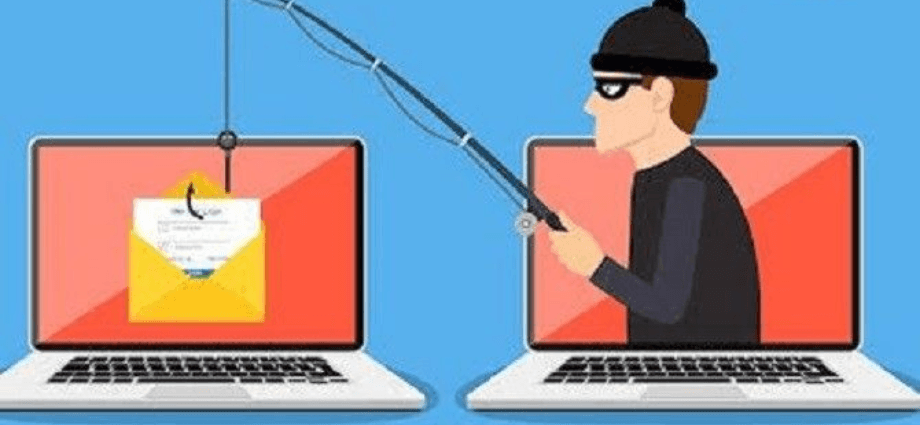
There are various types of phishing scams, each designed to exploit victims in different ways. Recognizing these forms can help you stay alert.
Email Phishing
Fake emails are designed to look like legitimate messages from companies or individuals. They often include urgent language to trick victims into clicking links or providing details. These emails might claim to be from your bank or a popular online service, such as Netflix or PayPal.
Spear Phishing
Highly targeted attacks aimed at specific individuals or organizations. These attacks involve customized messages based on research about the victim. For example, an attacker might mention your name or reference specific details about your job to gain your trust.
Smishing and Vishing
- Smishing: Phishing through text messages. Attackers send messages that appear to come from trusted sources, such as a bank or delivery service.
- Vishing: Phishing through phone calls, often pretending to be technical support or financial institutions. The caller may pressure you into providing sensitive information by creating a sense of urgency.
Clone Phishing
Duplicated legitimate emails with malicious links or attachments added. These emails are designed to appear as if they come from a trusted source, making them difficult to distinguish from authentic messages.
How to Recognize Phishing Scams
Phishing scams often share common characteristics. Learning to identify these signs can help you avoid falling victim.
Suspicious Sender Information
- Check the sender’s email address carefully. Look for slight misspellings or unusual domains.
- Avoid trusting messages from unknown contacts, especially if they claim to be from well-known companies.
Urgent or Threatening Language
Phishing messages often use phrases like “Your account will be suspended” or “Immediate action required” to create panic and prompt hasty actions. These scare tactics are designed to make you act without thinking.
Requests for Personal Information
Legitimate organizations rarely ask for sensitive information via email, text, or phone. Be cautious of any unsolicited request for passwords, Social Security numbers, or financial details.
Unexpected Attachments or Links
- Avoid clicking on links or downloading attachments from unknown sources.
- Hover over links to check their actual destination. If the URL looks suspicious or unrelated to the organization, do not click.
Generic Greetings and Poor Grammar
Look for generic terms like “Dear Customer” and poorly written messages, which are common in phishing attempts. Legitimate organizations typically personalize communications and use proper grammar.
How to Avoid Falling Victim to Phishing Scams
Taking proactive measures can significantly reduce your risk of becoming a victim of phishing scams. Below are actionable steps you can follow.
Verify Before You Act
- Contact the organization directly through official channels to confirm any suspicious requests.
- Avoid replying to or clicking on anything within the suspicious message. Instead, go to the official website or use verified contact information.
Use Security Tools
- Install antivirus software and keep it updated to detect and block malicious activities.
- Enable spam filters to reduce phishing emails from reaching your inbox.
Educate Yourself
Staying informed about the latest phishing techniques can help you recognize scams before they affect you.
- Regularly read about common scams to stay ahead of new tactics.
- Attend cybersecurity training if offered by your workplace. These sessions can provide valuable tips and resources.
Protect Your Accounts
- Use strong, unique passwords for every account to prevent hackers from accessing multiple accounts with the same credentials.
- Enable multi-factor authentication (MFA) for an extra layer of security. MFA requires a second form of verification, such as a code sent to your phone, in addition to your password.
Report Phishing Attempts
- Forward phishing emails to your email provider or report them to anti-phishing organizations. Most providers have a designated email for reporting phishing, such as “phishing@provider.com.”
- Inform your company or IT department if the attempt targets your workplace to help protect others.
Additional Tips to Avoid Phishing
- Be cautious of offers that seem too good to be true. Scammers often use enticing deals to lure victims.
- Regularly update your software and applications to patch vulnerabilities that attackers might exploit.
- Avoid oversharing personal information on social media, which attackers can use to target you with personalized scams.
What to Do If You Fall for a Phishing Scam
Mistakes can happen, but quick action can minimize the damage if you fall victim to a phishing scam.
Act Quickly
- Change passwords immediately, especially for affected accounts. Use strong, unique passwords to prevent further access.
- Enable MFA on your accounts if not already in place to add an extra layer of protection.
Notify Relevant Parties
- Inform your bank, credit card company, or the organization targeted in the scam. They can help secure your accounts and monitor for unauthorized activity.
- Monitor your financial accounts for unusual transactions or changes.
Seek Help
- File a report with your local law enforcement or cybersecurity authorities. This can help prevent further attacks and assist in recovering stolen funds or data.
- Use identity theft recovery services if needed. These services can help you restore your credit and protect against future fraud.
Conclusion
Phishing scams are a serious threat, but with awareness and caution, they can be avoided. By learning how to recognize the warning signs, using security tools, and staying vigilant, you can protect yourself from becoming a victim. Always verify suspicious messages and report phishing attempts to help combat this growing problem. Stay safe online by staying informed and proactive.
Share this content: