Smart Home Devices: Which Ones Are Worth the Investment?
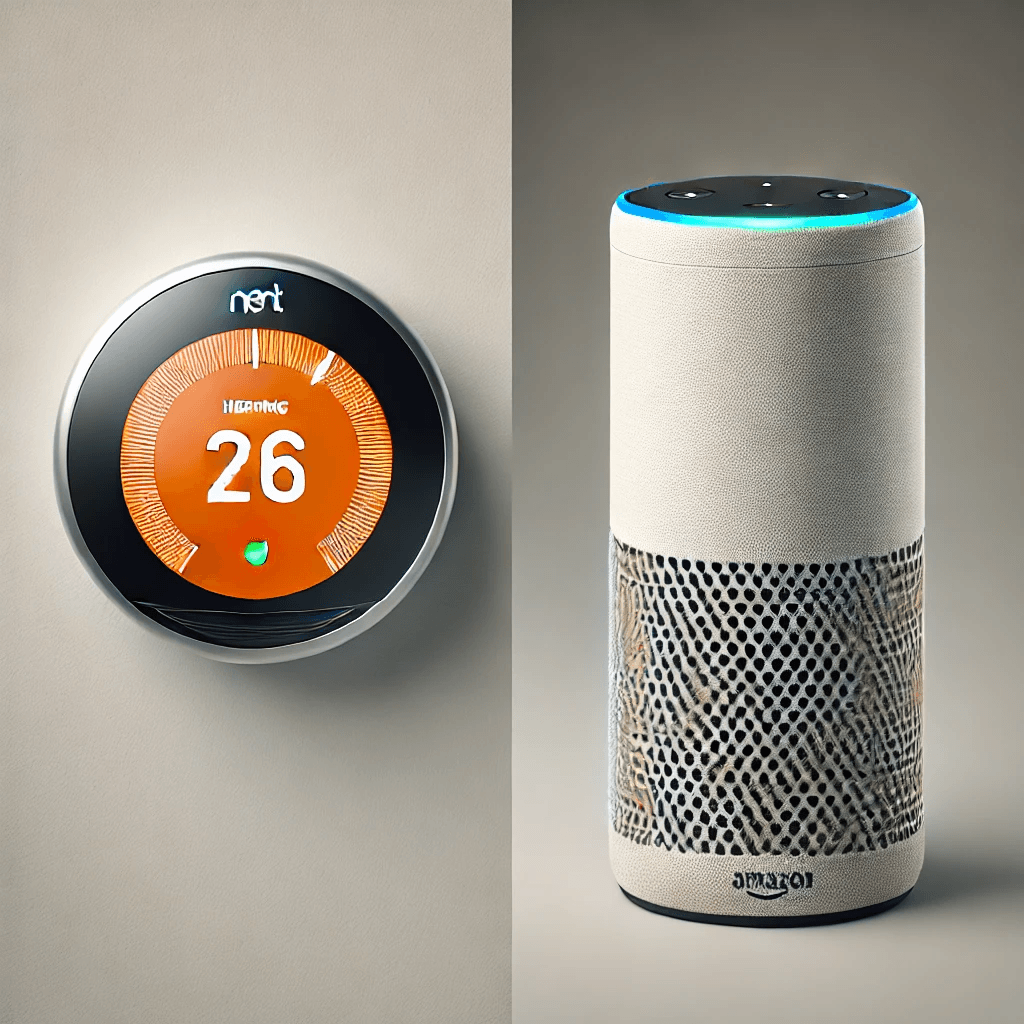
Smart home devices have become an integral part of modern living, offering increased convenience, security, and energy savings. With so many options available, it can be challenging to determine which devices are truly worth the investment. Whether you’re looking to automate your home, improve security, or save on energy costs, smart home devices can enhance your lifestyle. However, not all devices provide the same value, and some may not be essential depending on your needs. This article explores the most popular smart home devices available in 2024, helping you make informed decisions on which ones are worth your investment.
Key Features to Look for in Smart Home Devices
When considering a smart home device, there are several important features to keep in mind. These will ensure that the device is worth your investment and provides real value to your daily life.
Purpose and Need
Before purchasing any smart home device, think about how it will improve your day-to-day life.
- Convenience: Will the device make tasks easier, such as turning on lights, controlling temperature, or playing music?
- Security: Does it enhance your home’s security, like adding cameras, alarms, or smart locks?
- Energy Efficiency: Can it help save on electricity bills by controlling appliances more efficiently?
Assessing the specific purpose and need of each device will help you make a more focused decision.
Compatibility with Other Devices
Ensure that the device you choose is compatible with your current smart home setup.
- Integration with smart assistants: If you use Amazon Alexa, Google Assistant, or Apple HomeKit, check whether the device can integrate with these platforms.
- Cross-device functionality: Consider how easily it can connect with other smart devices in your home, such as smart thermostats, lights, and security systems.
Choosing devices that seamlessly work together can greatly improve the overall experience of your smart home setup.
Ease of Use and Setup
The best smart home devices should be easy to set up and operate, even for users who are not tech-savvy.
- App availability: Ensure there’s a user-friendly mobile app that supports easy control of the device.
- Installation: Look for devices that are simple to install, ideally with clear, easy-to-follow instructions.
The simpler the setup and use, the better the experience will be, especially for new smart home users.
Cost and Long-Term Savings
Consider both the initial cost of the device and the potential long-term savings.
- Energy savings: Many devices like smart thermostats and lights can save money on your utility bills over time.
- Subscription fees: Be aware of ongoing costs, such as subscription services for cloud storage, security monitoring, or premium app features.
Making sure the device provides long-term value can justify the upfront investment.
Top Smart Home Devices Worth the Investment
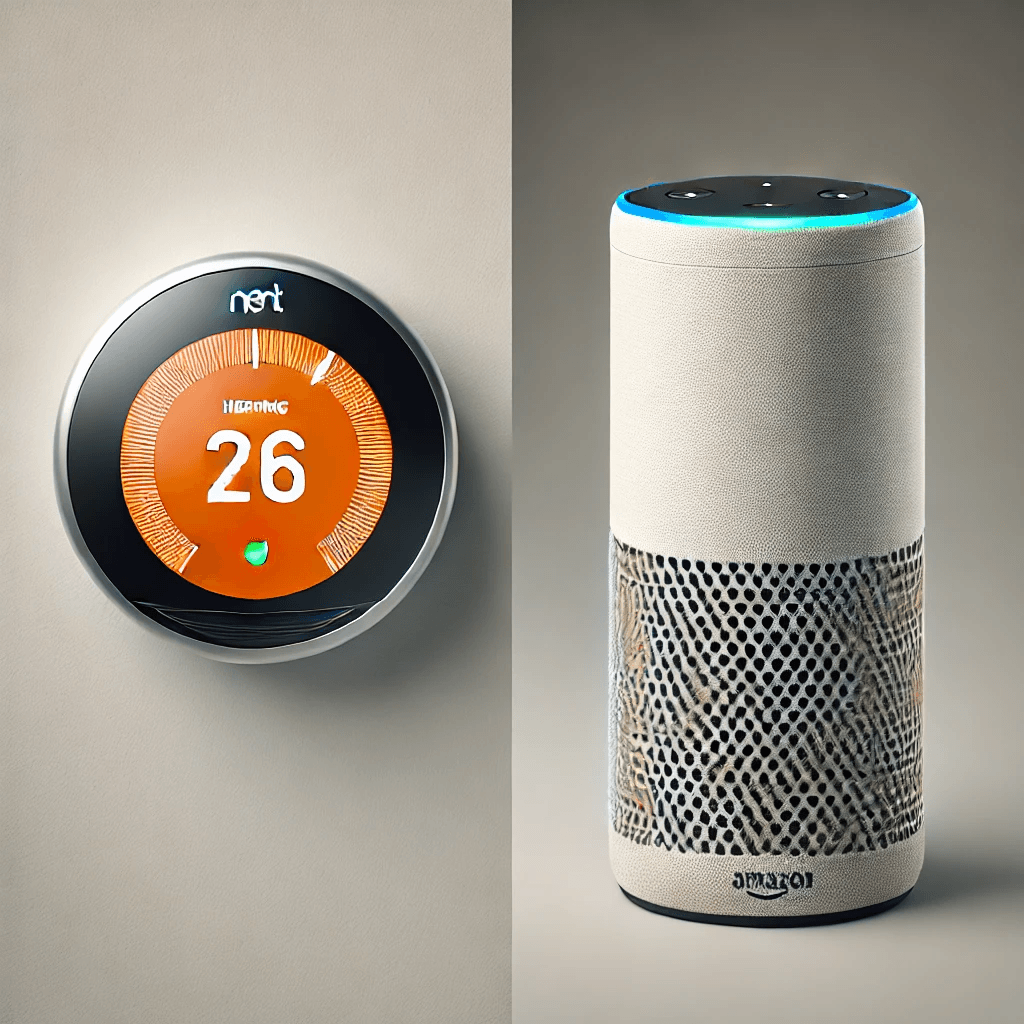
Here’s a rundown of some of the top smart home devices available in 2024, considering their functionality, ease of use, and return on investment.
1. Smart Thermostats
Overview: Smart thermostats, like the Nest Learning Thermostat or Ecobee, help optimize energy use by automatically adjusting your home’s temperature based on your schedule and preferences.
Pros and Cons:
- Pros:
- Energy savings by adjusting temperature based on routines.
- Remote control via smartphone app.
- Integration with smart assistants like Alexa and Google Assistant.
- Cons:
- High initial cost.
- Requires professional installation for some models.
Best For: Homeowners looking to reduce energy bills while maintaining a comfortable home environment.
Smart thermostats are an investment that pays off by lowering heating and cooling costs while providing greater control over your home’s climate.
2. Smart Lights
Overview: Smart lights, such as Philips Hue or LIFX, allow you to control the brightness and color of your lights remotely. They can be scheduled to turn on/off and even change colors based on the time of day or mood.
Pros and Cons:
- Pros:
- Customizable colors and brightness.
- Energy-efficient LED technology.
- Can be scheduled to turn on/off automatically.
- Cons:
- Expensive initial setup for full home coverage.
- Requires a hub for certain models.
Best For: Those looking for energy savings and convenience with customizable lighting.
Smart lights can enhance your home’s ambiance while offering energy savings and automation options.
3. Smart Security Cameras
Overview: Devices like Ring and Arlo provide video surveillance for your home, allowing you to monitor activity through your smartphone or other devices.
Key Features:
- HD video quality and two-way audio.
- Remote viewing via a smartphone app.
- Motion detection alerts and cloud storage options.
Best For: Homeowners looking to enhance security with easy-to-install video surveillance.
Smart security cameras are ideal for monitoring your home and increasing safety. Whether you’re away or at home, you can easily check for suspicious activity.
4. Smart Speakers
Overview: Smart speakers, including Amazon Echo, Google Nest Audio, and Apple HomePod, act as control hubs for other smart devices and can be used to play music, set alarms, and answer questions.
Pros and Cons:
- Pros:
- Voice control for other smart devices.
- Access to music, news, weather, and smart home control.
- Seamless integration with Alexa, Google Assistant, or Siri.
- Cons:
- Sound quality may not be as good as high-end audio systems.
- Privacy concerns due to always-on microphones.
Best For: People who want hands-free control over other smart devices and enjoy voice-activated assistance.
Smart speakers offer convenience by allowing you to control other devices and access information, all with a simple voice command.
5. Smart Plugs
Overview: Smart plugs, like the TP-Link Kasa Smart Plug, let you control everyday devices such as lamps, coffee makers, or fans remotely via smartphone apps.
Key Features:
- Control appliances remotely.
- Set schedules for automatic on/off.
- Integration with voice assistants.
Best For: Those looking to automate simple devices like lamps, coffee makers, or fans without replacing them.
Smart plugs are an inexpensive way to add smart features to devices that aren’t inherently “smart,” giving you more control over your home’s energy usage.
How to Choose the Right Smart Home Device for Your Home
Selecting the best smart home device comes down to your specific needs, preferences, and budget. Here are some tips to guide your decision.
Assess Your Home’s Needs
- Security: If security is your priority, consider smart security cameras, locks, or alarm systems.
- Energy Efficiency: Invest in smart thermostats or smart lights if you’re looking to reduce your energy bills.
- Convenience: Devices like smart speakers and plugs provide ease of use and greater control over your home environment.
Consider Device Compatibility
- Choose devices that work with your existing smart assistant, such as Alexa, Google Assistant, or Apple HomeKit.
- Make sure the devices you choose can communicate with each other to create a seamless smart home experience.
Set a Budget
- Smart home devices vary widely in price, so it’s important to set a budget and prioritize what’s most useful for your lifestyle.
- Keep in mind any additional costs, such as subscriptions or extra hubs for full functionality.
Conclusion
Smart home devices have the potential to transform your living space, making it more efficient, secure, and convenient. With options like smart thermostats, lights, and security cameras, there’s a device for every need. Before making an investment, consider your priorities—whether it’s saving on energy bills, enhancing home security, or simply adding convenience. By focusing on what will truly improve your lifestyle, you can make smart decisions that offer long-term value.
Share this content: