Smart Home Starter Kits for Beginners in 2024
Smart home starter kits are a great way for beginners to dive into the world of home automation. These kits provide essential devices to get you started, making it easy to control your home with your smartphone or voice commands. This article will help you choose the best starter kit for your needs.
Top Smart Home Starter Kits in 2024

Smart home technology is more accessible than ever, making it easy to transform your living space. These starter kits offer convenience, automation, and a gateway to future upgrades.
Amazon Echo Smart Home Starter Kit
The Amazon Echo Smart Home Starter Kit is designed for easy integration with Alexa, making it a popular choice for beginners. This kit includes an Amazon Echo Dot, smart plugs, and smart bulbs. The Echo Dot serves as the central hub, allowing you to control other devices with voice commands. The smart plugs enable remote control of appliances, while the smart bulbs offer customizable lighting options. Highly rated for its ease of use and reliable performance, this starter kit is perfect for those who want to start with basic smart home devices and expand later.
Google Nest Smart Home Starter Kit
The Google Nest Smart Home Starter Kit offers robust integration with Google Assistant, providing a comprehensive smart home experience. Includes a Google Nest Mini, smart plugs, and smart bulbs. The Nest Mini acts as the hub, allowing for voice control and automation. The smart plugs and bulbs can be controlled remotely, offering convenience and energy savings. Users appreciate the easy setup and intuitive app. Ideal for those who prefer Google Assistant, this starter kit offers a solid foundation for a smart home.
Philips Hue Starter Kit
The Philips Hue Starter Kit focuses on smart lighting, offering high-quality bulbs and robust integration with various smart home systems. Includes a Philips Hue Bridge and smart bulbs. The Hue Bridge allows for control of up to 50 bulbs, enabling customization of lighting scenes and automation. Praised for its excellent light quality and extensive integration options, this starter kit is perfect for those looking to enhance their home lighting with smart technology.

Key Features to Consider
When selecting a smart home starter kit, focusing on these key features ensures a seamless and enjoyable experience while setting the stage for future enhancements to your system.
Compatibility
Compatibility is crucial when choosing a smart home starter kit. Ensure that the devices included in the kit are compatible with your existing smart home system, whether it’s Alexa, Google Assistant, or Apple HomeKit. Ensuring seamless integration helps maintain a cohesive and functional smart home ecosystem.
Ease of Use
User-friendly interfaces and apps are essential for a positive smart home experience. Look for kits with intuitive apps that are easy to navigate and set up. Simplifying the installation process enhances user satisfaction and encourages regular use.
Expandability
Consider whether the starter kit allows for future expansion. Expandability ensures that you can add more devices to your smart home as needed. Look for kits that support the addition of more smart plugs, bulbs, and other devices to future-proof your smart home.
Installation and Setup
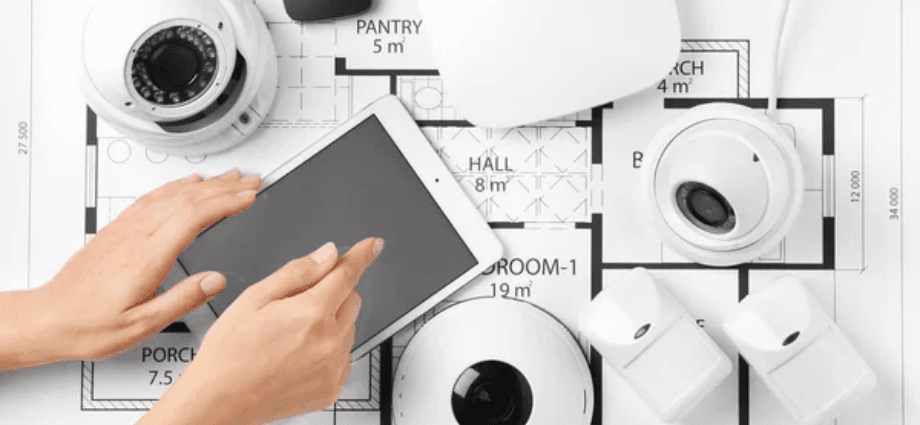
Setting up a smart home starter kit is straightforward, with most kits designed for quick DIY installation. Follow these steps for a hassle-free experience and optimal performance.
DIY Installation
Many smart home starter kits are designed for DIY installation, making it easy for homeowners to set them up without professional help. Typically involves connecting the hub to Wi-Fi, installing the smart plugs and bulbs, and configuring them using the app. DIY installation allows you to set up your smart home devices quickly and efficiently.
Setting Up Apps and Accounts
Getting started with your smart home system involves downloading and configuring companion apps. These apps act as the control center for your devices, making setup and daily management simple. Follow these steps to ensure smooth integration:
- Locate the App: Search for the compatible app in the App Store or Google Play.
- Download and Install: Download the app, install it on your smartphone or tablet, and open it.
- Create an Account: Follow the on-screen instructions to create an account, if required, to manage your devices.
- Connect Devices: Use the app to pair and configure your smart home devices, following any specific prompts for each device.
A properly set up app ensures all family members can access and control your smart home system seamlessly, enhancing convenience and usability.
Connecting to Wi-Fi
A stable Wi-Fi connection is necessary for smart home devices to function correctly. Place your router in a central location, use a Wi-Fi extender if needed, and secure your network with a strong password. A reliable Wi-Fi connection is crucial for the seamless operation of your smart home devices.
Enhancing Your Smart Home Experience
Maximize your smart home’s potential with automation, voice control, and device integration. These features simplify daily tasks and create a more connected, efficient living environment.
Automation and Scheduling
Automation and scheduling features allow you to set routines and control devices automatically. Use the app to create schedules for turning devices on and off at specific times. Automation helps streamline your daily routines and enhances the functionality of your smart home.
Voice Control
Voice control provides hands-free operation of your smart home devices, adding convenience and accessibility. Set up voice control to manage your devices using simple voice commands. Voice control makes it easier to control devices when your hands are full or when you’re not near your phone.
Integration with Other Devices
Integrating smart home devices with other systems creates a seamless and cohesive smart home environment. Ensure your devices are compatible with other smart home products, such as smart thermostats and security cameras. Integration allows for a more cohesive and efficient smart home experience.
Price and Value
Choosing the right smart home starter kit involves balancing cost and features. Compare prices, look for bundles, and prioritize value to get the best deal for your budget.
Cost Comparison
Pricing is an important factor when choosing a smart home starter kit. Prices can range from $50 to $200, depending on the features and brand. Look for deals during sales events or consider buying in bundles to save money. Understanding the cost range helps you make an informed decision based on your budget.
Value for Money
Evaluating the value for money involves comparing features and costs. Consider the features offered by each starter kit and whether they justify the price. Look for kits that offer a good balance of features and affordability. Choosing a starter kit that offers good value for money enhances the overall smart home experience.
Conclusion
Choosing the right smart home starter kit for beginners in 2024 involves considering factors like compatibility, ease of use, expandability, and overall value. By selecting top kits like the Amazon Echo Smart Home Starter Kit, Google Nest Smart Home Starter Kit, or Philips Hue Starter Kit, you can start building your smart home with confidence. For further assistance, refer to the resources provided by the starter kit manufacturers.
Share this content: