Smart Thermostats: Are They Worth the Upgrade?
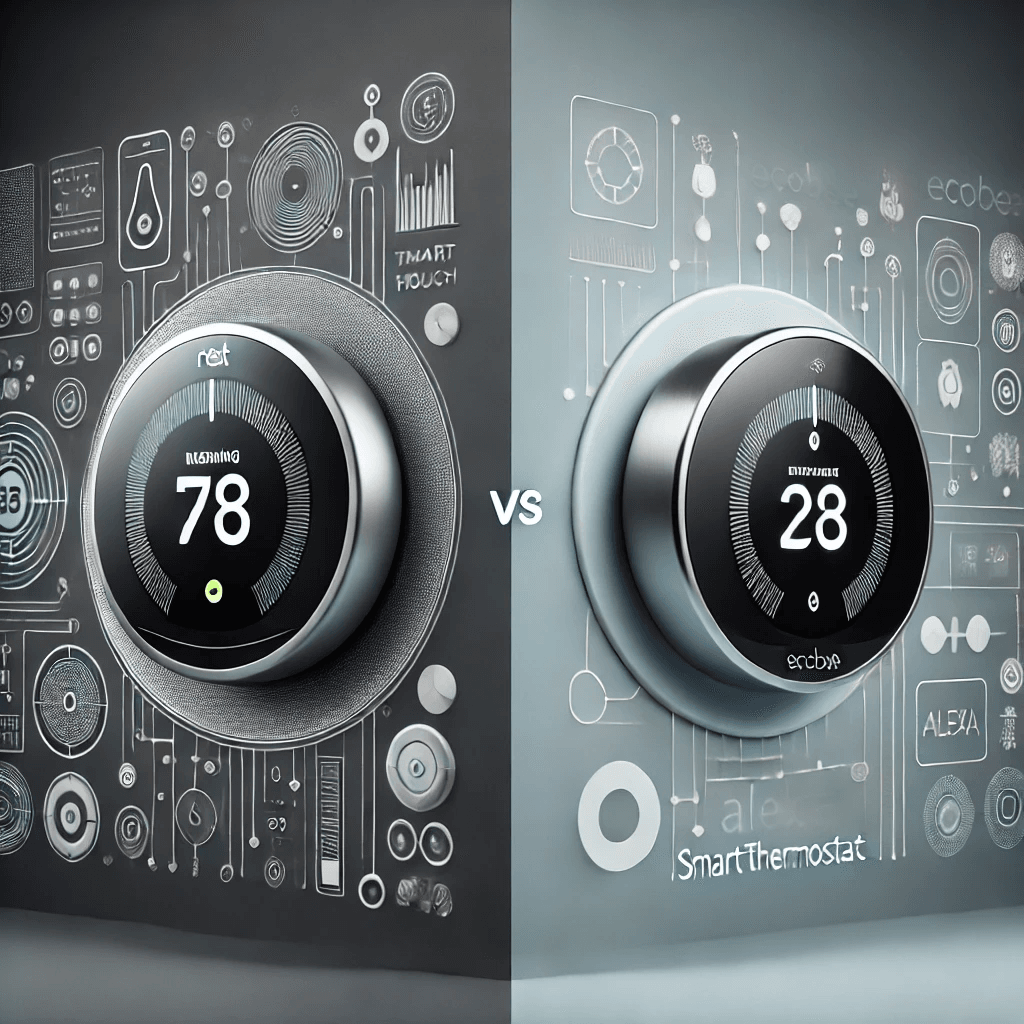
As technology advances, our homes are becoming smarter, and one of the easiest upgrades is a smart thermostat. These devices promise not only to improve comfort but also to help save energy and reduce utility bills. In 2024, more homeowners are considering the switch from traditional thermostats to smart models.
But is it really worth the investment? Smart thermostats offer various features like remote control, energy savings, and integration with other smart devices. However, they also come with higher upfront costs. This article will explore the pros and cons of upgrading to a smart thermostat and help you decide whether it’s the right choice for your home.
Key Features of Smart Thermostats
To understand whether a smart thermostat is worth upgrading to, let’s first look at the features that make these devices stand out.
Remote Control and App Integration
One of the main benefits of a smart thermostat is the ability to control your home’s temperature remotely using an app on your smartphone. Whether you’re at work, on vacation, or in bed, you can adjust the temperature to suit your preferences, saving both energy and money.
- Convenience: Adjust your home’s temperature from anywhere.
- Energy Savings: Remotely change the temperature to avoid wasting energy while you’re away.
- Alerts: Get reminders or alerts if your home’s temperature is unusually high or low.
Having control over your thermostat from anywhere ensures that you don’t need to be home to make adjustments, which can lead to significant energy savings.
Learning Capabilities
Many smart thermostats are equipped with learning algorithms that analyze your schedule and temperature preferences. Over time, these devices can automatically adjust the temperature based on your habits, reducing the need for manual input.
- Automatic Adjustments: Learns your schedule and adjusts the temperature accordingly.
- Energy Efficiency: Reduces heating and cooling when it’s unnecessary, optimizing energy use.
- Improved Comfort: Keeps the temperature just how you like it, without constant adjustments.
By adapting to your daily routines, smart thermostats ensure that your home is always at the perfect temperature without requiring manual changes.
Energy Efficiency and Savings
Smart thermostats are designed to help homeowners reduce energy consumption, ultimately lowering monthly energy bills. With advanced settings like energy reports and usage history, you can track how much energy you are using and see where savings can be made.
- Scheduling: Program your thermostat to adjust when you’re away or asleep.
- Usage Insights: Track energy use and receive suggestions on how to save more.
- Geofencing: Some models use geofencing to detect when you leave and return home, adjusting the temperature accordingly.
These energy-saving features allow you to maintain comfort while lowering your carbon footprint and utility costs.
Voice Control and Integration with Smart Assistants
Another key feature is voice control. Many smart thermostats are compatible with popular voice assistants such as Amazon Alexa, Google Assistant, and Apple HomeKit. This allows you to make temperature adjustments hands-free with a simple voice command.
- Hands-Free Control: Adjust your thermostat without lifting a finger.
- Home Automation Integration: Sync with other smart devices like lights, fans, and even smart blinds to optimize your home environment.
- Ease of Use: Voice control offers convenience for those with mobility issues or when your hands are occupied.
Being able to control your thermostat with your voice adds an extra layer of convenience, making it even easier to stay comfortable.
Advantages of Smart Thermostats
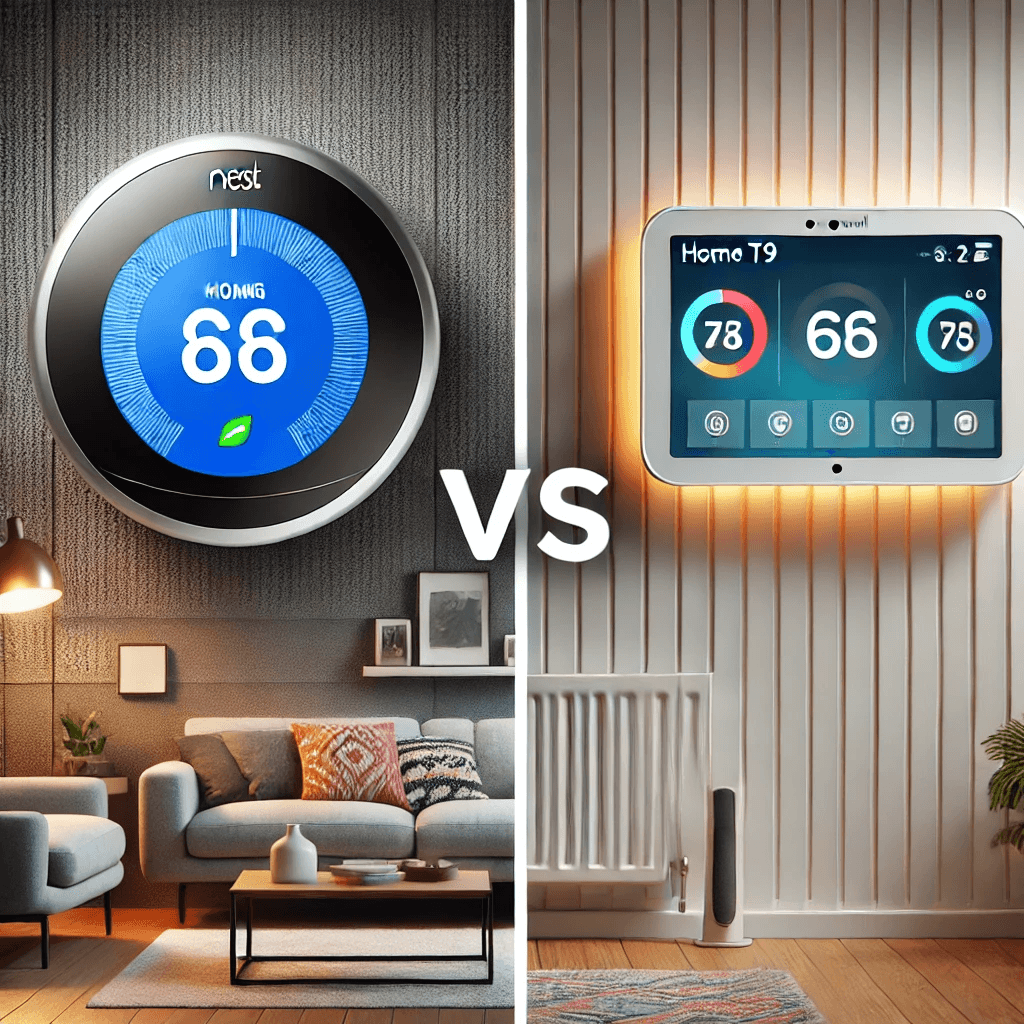
There are several reasons why upgrading to a smart thermostat can be a great decision. Let’s explore some of the most notable advantages.
Energy Efficiency and Cost Savings
A major selling point for smart thermostats is their ability to reduce energy consumption, which translates into lower utility bills. By optimizing the heating and cooling cycles, smart thermostats can adjust the temperature when you’re not home or while you’re sleeping, ensuring energy is not wasted.
Bullet List:
- Scheduling: Set specific times for your thermostat to change the temperature, minimizing energy use.
- Adaptive Temperature: Some smart thermostats adjust based on your presence, making sure you’re not wasting energy while away.
- Seasonal Adjustments: Automatically change settings based on the season, ensuring your HVAC system runs efficiently.
These features can result in significant savings, especially in areas with extreme temperatures or large homes.
Increased Comfort and Customization
Smart thermostats allow for personalized comfort settings. Whether it’s adjusting the temperature based on your routine or syncing with other devices, these thermostats create a living environment that suits your preferences.
Bullet List:
- Smart Schedules: Create a heating or cooling schedule that fits your daily routine.
- Multiple Zones: Manage different temperatures in different parts of your house for added comfort.
- Remote Adjustments: Make changes even when you’re miles away for ultimate convenience.
With the ability to adjust temperature settings remotely and create personalized schedules, a smart thermostat enhances overall comfort throughout your home.
Integration with Other Smart Home Devices
Another advantage is the seamless integration with other smart home devices. You can pair your thermostat with smart lights, fans, and even your security system for a fully automated home. This allows for synchronized adjustments that help maintain a comfortable and efficient living environment.
Bullet List:
- Home Automation: Sync with other devices, like smart blinds or lights, for greater efficiency.
- Voice Control: Integrates with Amazon Alexa or Google Assistant for hands-free control.
- Improved Efficiency: Devices working together can reduce energy consumption by adjusting settings automatically.
Smart thermostats are an important part of the broader smart home ecosystem, enabling more effective home automation.
Disadvantages of Smart Thermostats
While smart thermostats offer many benefits, there are a few potential drawbacks to consider before making the upgrade.
High Initial Cost
Smart thermostats typically come with a higher initial price compared to traditional models. Although they save money over time by reducing energy consumption, the upfront cost can be a barrier for some homeowners. Additional installation fees may also apply if you need professional help.
Bullet List:
- Expensive Models: Premium models may cost over $200.
- Installation Fees: Professional installation may be necessary, adding to the overall expense.
- Additional Equipment: Some systems require extra sensors or accessories for full functionality.
Despite the potential for savings, the initial cost and installation fees might deter some people from upgrading.
Learning Curve and Setup Time
Smart thermostats often require setup through an app and may need a learning period to fully understand your preferences. While some people may find the technology intuitive, others may feel overwhelmed by the setup process and additional features.
Bullet List:
- App Configuration: Requires syncing with your smartphone for full functionality.
- Installation Time: While many models are DIY, some require professional installation.
- Advanced Features: Features like geofencing or multi-zone control may take time to configure.
It may take some time to get used to the app and features, and the setup process might require extra patience.
Compatibility with HVAC Systems
Not all HVAC systems are compatible with every smart thermostat. Older or unique heating and cooling systems may not work well with newer smart models, requiring additional equipment or making the upgrade less effective.
Bullet List:
- Older HVAC Systems: May need additional adapters or wiring to be compatible.
- Compatibility Issues: Certain thermostats may not support all types of heating or cooling systems.
- Additional Equipment: Extra sensors or controllers may be required for full integration.
Before upgrading, make sure that your HVAC system is compatible with the smart thermostat you’re interested in.
Is a Smart Thermostat Worth the Upgrade?
In many cases, upgrading to a smart thermostat can be a great investment, offering significant benefits in terms of comfort, energy savings, and smart home integration.
Who Should Upgrade?
- If you have an old or manual thermostat, upgrading to a smart model can provide better control, save energy, and improve comfort.
- Smart thermostats are especially beneficial for tech-savvy homeowners who already have other smart home devices.
Bullet List:
- Energy-Saving Goals: Ideal for users who want to reduce energy bills.
- Smart Home Users: Perfect for those with other smart devices.
- Comfort Seekers: Great for those who want more personalized temperature control.
When Is It Not Worth the Upgrade?
- If you have a newer, efficient manual thermostat or don’t have an HVAC system that supports smart features, the upgrade may not offer enough return on investment.
- Renters or people with limited control over their home’s HVAC system might not find the upgrade as beneficial.
Bullet List:
- Older HVAC Systems: May not work with certain smart models.
- Renters: May not have permission to make changes.
- Minimal Use: If you don’t adjust your thermostat often, the benefits may be limited.
Conclusion
Smart thermostats are a worthwhile upgrade for many homeowners, providing both comfort and energy savings. They offer convenience, customization, and integration with other smart devices, making them ideal for those looking to improve their home’s efficiency. However, the initial cost and compatibility issues might make it less appealing for some. If you’re looking for better control over your home’s temperature and want to save on energy bills, upgrading to a smart thermostat is likely worth the investment.
Share this content: