The Rise of Foldable Phones: Are They Worth It?
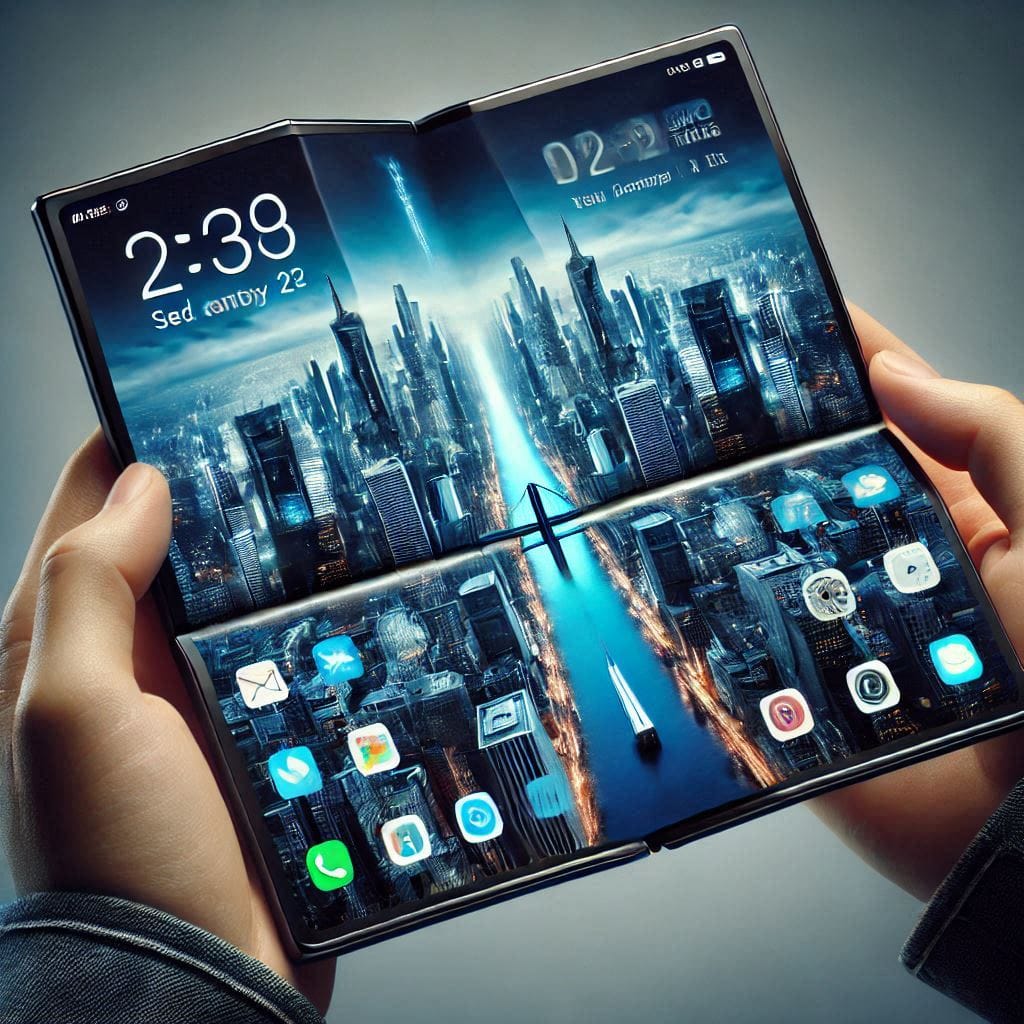
Foldable phones are smartphones with flexible screens that can fold and unfold. They offer larger displays in a compact form, combining the functions of phones and tablets. These devices represent a significant leap in mobile technology.
What Are Foldable Phones?
Foldable phones are a new type of smartphone that uses flexible OLED screens. This technology allows the device to fold without breaking, offering unique functionality. They come in two main designs: fold-in models and flip-style models, each catering to different user preferences.
Brief History of Foldable Phones
Foldable phones first appeared in the market in 2019 with models like the Samsung Galaxy Fold. Since then, brands like Huawei and Motorola have joined, improving designs and features. The journey began with clamshell phones of the past, but modern foldables integrate advanced technologies for seamless user experiences.
Features and Benefits of Foldable Phones
Foldable phones stand out because of their unique design and advanced features. These devices are designed for people who want the latest in technology and convenience.
Unique Design
Foldable screens provide a larger display without increasing the phone’s size. They also offer better multitasking options with dual displays. Additionally, the compact size makes them easy to carry around. Foldable phones combine the best of both worlds: a big screen for productivity and a small size for portability. These designs allow users to enjoy tablet-like experiences without sacrificing mobility.
Productivity and Entertainment
Split-screen modes enable better multitasking, such as checking emails while watching videos. The enhanced gaming experience with wider screens makes foldable phones ideal for gamers. They are also perfect for streaming and reading e-books, offering seamless transitions between folded and unfolded modes. These features make foldable phones excellent for work and play, catering to users who need versatility. Whether it’s juggling multiple tasks or enjoying immersive media, foldables offer unmatched flexibility.
Cutting-Edge Technology
Foldable phones use advanced materials like flexible OLED displays. They also include innovative hinge designs, which allow the phone to open and close smoothly without damage. High-resolution screens and adaptive refresh rates enhance visual experiences, while advanced processors ensure smooth performance.
Challenges and Drawbacks of Foldable Phones
Despite their benefits, foldable phones have several downsides. These challenges may make people think twice before investing in one.
Price and Affordability
Foldable phones are expensive, costing more than traditional smartphones. Budget-conscious users may find them too pricey to justify. The high cost is due to advanced screen technology, premium materials, unique designs, limited production compared to standard smartphones, and added research and development costs for innovative features.
Durability Concerns
Foldable phones’ screens and hinges are prone to wear and tear. Many users worry about long-term durability. Creases often appear on the screen after regular use, and hinges may weaken over time. Repairs can be expensive and inconvenient. Additionally, dust and debris may affect the hinges over prolonged use. These durability issues make them less appealing for users looking for a long-lasting device. Companies are working to improve durability, but it remains a key concern.
Limited App Optimization
Not all apps work well with foldable screens, which can cause a poor user experience for those who rely on specific apps. Some apps may not display correctly on split screens, and developers need more time to optimize apps for foldable phones. Users may encounter inconsistent functionality across different apps. This drawback affects productivity and may frustrate users who expect seamless performance. Until apps catch up, foldable phone users may face limitations.
Current Market Trends and Innovations
Foldable phones continue to evolve, offering improved designs and features. The market is also seeing more competition among brands.
Popular Foldable Phone Models
Several popular models dominate the foldable phone market. These include:
- Samsung Galaxy Z Fold 5 and Flip 5.
- Huawei Mate X2.
- Motorola Razr 40 Ultra.
- Oppo Find N2.
Each model offers unique features, such as larger screens, better battery life, and stylish designs. These phones target users who value cutting-edge technology. Companies are also introducing more affordable versions to attract a broader audience.
Future Innovations in Foldable Phones
The future of foldable phones looks promising. Manufacturers are focusing on developing lighter and more durable designs, improving battery performance, and offering better software support for multitasking. They are also working on foldable glass for enhanced durability. These advancements aim to make foldable phones more practical and appealing to a broader audience. With continuous improvements, foldable phones may become mainstream in the coming years.
Are Foldable Phones Worth It?
Whether foldable phones are worth it depends on individual needs and preferences. They offer unique features but come with significant trade-offs.
For Tech Enthusiasts
Foldable phones are ideal for those who love trying new gadgets. They are perfect for users who value innovation and unique designs, want devices for multitasking and entertainment, are willing to invest in high-end technology, and enjoy being early adopters of cutting-edge trends. If you enjoy exploring the latest tech, foldable phones could be a great fit. Their features cater to users seeking premium experiences.
For Regular Smartphone Users
Traditional smartphones may still be the better option for most people. Foldable phones might not be worth it if you prioritize affordability and durability, prefer simple, reliable devices, don’t need multitasking or large screens, or want devices with longer lifespans. For everyday use, standard smartphones offer better value for money. They are also more practical for users who prioritize simplicity and reliability.
Conclusion
Foldable phones are an exciting innovation, offering unique features and benefits. However, they also come with challenges that potential buyers must consider. These devices provide larger screens and multitasking options, but they are expensive and may have durability issues. Current models showcase impressive technology, yet they are not for everyone. Innovations continue to enhance their functionality and appeal, but foldable phones remain best suited for tech enthusiasts and early adopters. Regular users should carefully weigh the pros and cons before deciding to make the switch. As the technology evolves, foldable phones may become more accessible and practical for everyone in the future.
Share this content: