Wireless Charging Pads: Do They Live Up to the Hype?

Wireless charging has become a trendy feature in the tech world, particularly for smartphones, smartwatches, and wireless earbuds. No more tangled cords or looking for a cable when your device needs power. Wireless charging pads promise a clutter-free experience and quick convenience. However, with all the excitement surrounding wireless charging, one might wonder: do these pads really live up to the hype?
This article explores the ins and outs of wireless charging pads in 2024. We’ll break down how they work, the advantages and disadvantages they offer, and whether they are truly worth the investment. By the end, you’ll have a clearer picture of whether wireless charging is right for you.
What Are Wireless Charging Pads?
Before diving into the pros and cons, it’s important to understand how wireless charging works and what devices are compatible.
How Wireless Charging Works
Wireless charging pads use a technology called inductive charging, which transfers power from the charging pad to the device through electromagnetic fields. The charging pad generates an electromagnetic field, which the device (like your phone) receives through a coil in the back.
- Inductive charging: The most common method used in wireless charging.
- Qi standard: The majority of wireless charging devices use the Qi standard, which is supported by many smartphones and gadgets.
This charging method offers convenience and reduces wear and tear on charging ports, which is why it’s becoming so popular.
Common Devices That Support Wireless Charging
Most modern devices support wireless charging, especially smartphones, but it’s important to check compatibility before purchasing a charging pad.
- Smartphones: Most high-end and mid-range smartphones from Apple, Samsung, Google, and other brands now support wireless charging.
- Smartwatches: Devices like the Apple Watch and Samsung Galaxy Watch can also be charged wirelessly.
- Earbuds: Many wireless earbuds, like AirPods and Galaxy Buds, come with wireless charging cases.
With more devices supporting wireless charging, it’s clear that this technology is becoming a standard feature in consumer electronics.
The Pros of Wireless Charging Pads
Wireless charging pads certainly offer a number of benefits that make them appealing to users. Here are some of the key advantages:
Convenience and Less Cable Clutter
One of the main appeals of wireless charging is the convenience it offers. No more fumbling with tangled cables or searching for the right charging cord.
- Easy placement: Simply place your phone on the pad, and it starts charging automatically.
- Clutter-free: A wireless pad reduces the need for multiple cords, keeping your space neat and organized.
- Accessibility: Some models allow you to charge your device without needing to worry about plugging in a cable, which is especially handy when you’re in a hurry.
Wireless charging is perfect for people who value convenience and want to keep their workspace tidy.
Universal Charging (Multiple Devices)
Some wireless charging pads support the ability to charge multiple devices simultaneously, which is a great feature for tech-savvy users.
- Multiple devices: Charge your phone, smartwatch, and wireless earbuds all at once on one pad.
- Reduced cable mess: No need for separate charging cables for each device.
- Convenient for families: If multiple people in a household have wireless charging-compatible devices, one pad can handle all their charging needs.
Having a single pad to charge all your devices simplifies the process and reduces clutter.
Better for Ports and Device Longevity
Wireless charging reduces wear and tear on your device’s charging port, which can extend the life of both your device and the cable.
- No more plug-in stress: By avoiding frequent plugging and unplugging, you protect the charging port from damage.
- No physical connections: You don’t have to worry about bending or breaking the charging cable.
For anyone who regularly charges their devices, wireless charging may help preserve the longevity of both the device and its accessories.
The Cons of Wireless Charging Pads
While wireless charging offers many benefits, there are a few drawbacks that potential users should be aware of.
Slower Charging Speed
One of the biggest disadvantages of wireless charging is that it is generally slower than wired charging. For people who need a quick charge, this could be frustrating.
- 5W to 15W charging: Most wireless pads charge devices at 5W to 15W, while wired chargers can go up to 20W or more.
- Longer wait time: Depending on your device and the charging pad, it could take longer to reach a full charge with wireless charging.
If speed is a priority, wired charging might still be the better option for heavy users.
Compatibility Issues
Not every device is compatible with wireless charging, and even if it is, you may encounter some limitations.
- Not all devices support wireless charging: Older phones or budget models may not support wireless charging.
- Case compatibility: Some phone cases, especially thick ones, may prevent wireless charging from working efficiently or at all.
- Additional adapters: Some devices may require an additional adapter to use wireless charging, which can be inconvenient.
Make sure to check your device’s compatibility before investing in a wireless charging pad.
Heat Generation
Another issue with wireless charging is heat generation. While modern charging pads are designed to minimize heat, prolonged charging can still cause the device or pad to become warm.
- Reduced efficiency: Heat can reduce the efficiency of the charging process, slowing things down.
- Battery lifespan: Excessive heat over time can potentially affect the health of your battery, especially with prolonged use.
If heat is a concern for you, it might be worth considering wired charging or opting for a high-quality pad designed to manage heat better.
Do Wireless Charging Pads Live Up to the Hype?
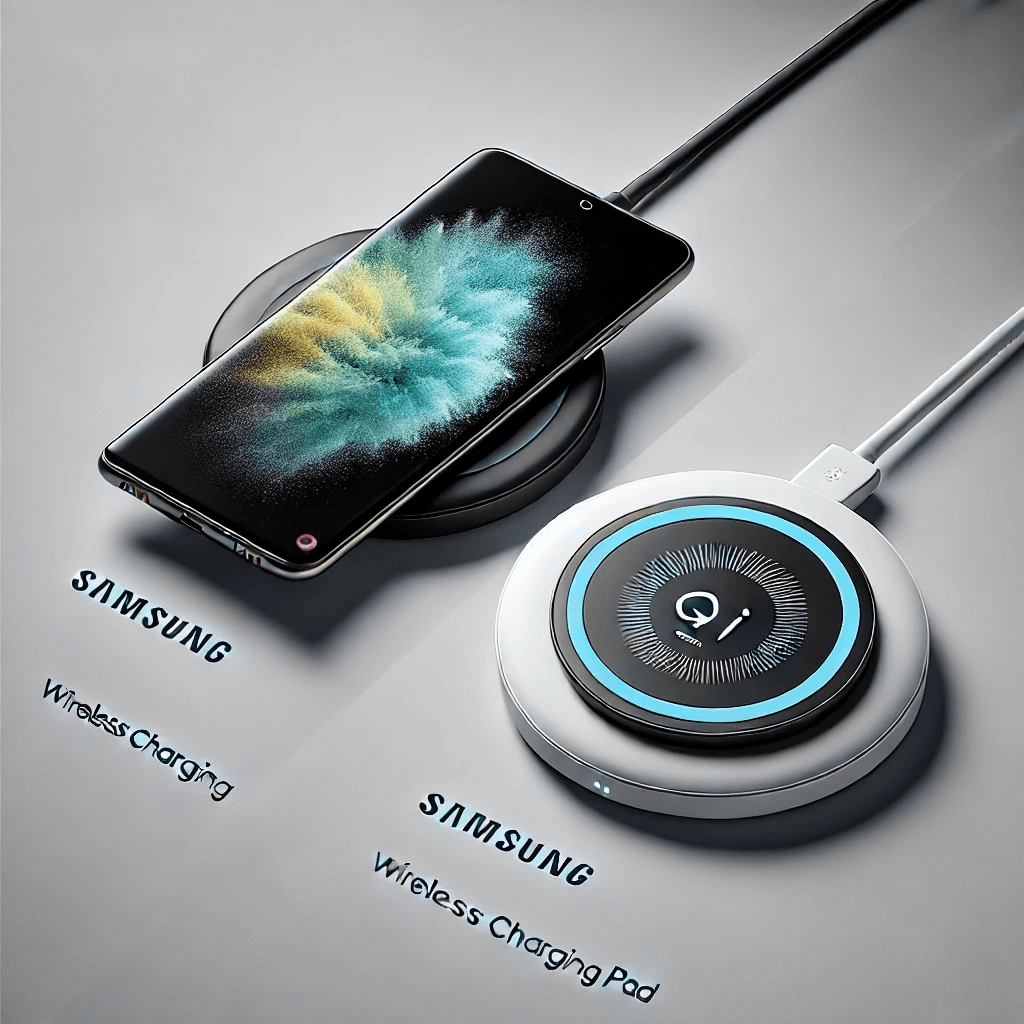
Now that we’ve explored the pros and cons, it’s time to assess whether wireless charging pads live up to the excitement they generate.
For Everyday Users
- For users who charge their devices overnight or when not in use, wireless charging pads offer an easy, convenient solution.
- They live up to their promises of convenience and reduced cable clutter, making them an excellent addition to any workspace or bedside table.
For Heavy Users
- For those who are always on their phones or need a quick charge between meetings, wireless charging may fall short due to slower charging speeds.
- People who need fast, efficient charging might find wireless pads less appealing compared to wired options.
The Future of Wireless Charging
- As technology improves, we may see faster wireless charging speeds, better heat management, and broader compatibility across devices.
- Innovations like “over-the-air” charging are on the horizon, which could significantly improve the usefulness of wireless charging pads in the future.
In short, while wireless charging pads do deliver on many promises, they may not completely replace wired charging for users with more demanding needs.
Top Wireless Charging Pads to Consider in 2024
Here are some of the best wireless charging pads available this year:
Anker PowerWave Pad
- Overview: Affordable and reliable, Anker’s PowerWave pad offers up to 15W fast charging, making it a solid choice for most devices.
- Best For: Budget-conscious users who need a reliable charging solution.
Belkin Boost Up Wireless Charging Pad
- Overview: Known for high-quality performance and stylish design, this pad supports fast charging and works well with a variety of devices.
- Best For: iPhone users seeking reliable performance and good design.
Samsung Wireless Charging Pad
- Overview: Samsung’s official wireless charging pad offers a sleek design and up to 15W fast charging for Galaxy devices.
- Best For: Samsung Galaxy users who want a branded, reliable option.
How to Choose the Right Wireless Charging Pad for Your Needs
When selecting the right wireless charging pad, consider the following:
Charging Speed
- If you need quick charging, look for a pad that supports fast wireless charging (e.g., 15W or higher).
- Ensure your device also supports these fast charging speeds.
Compatibility
- Make sure your device supports wireless charging and check if it’s compatible with Qi charging.
- Consider a pad that works with multiple devices if you plan to charge different gadgets.
Design and Size
- Choose a design that fits your space and is convenient for regular use. Whether you need a sleek, compact model or something larger to charge multiple devices, design matters.
Conclusion
Wireless charging pads are a convenient and stylish way to keep your devices powered up, reducing clutter and wear on charging ports. While they may not be as fast as wired charging, they provide a level of convenience that wired methods can’t match. With continued technological advancements, the future of wireless charging looks promising, making it a great investment for those who prioritize convenience and ease of use.
Share this content: